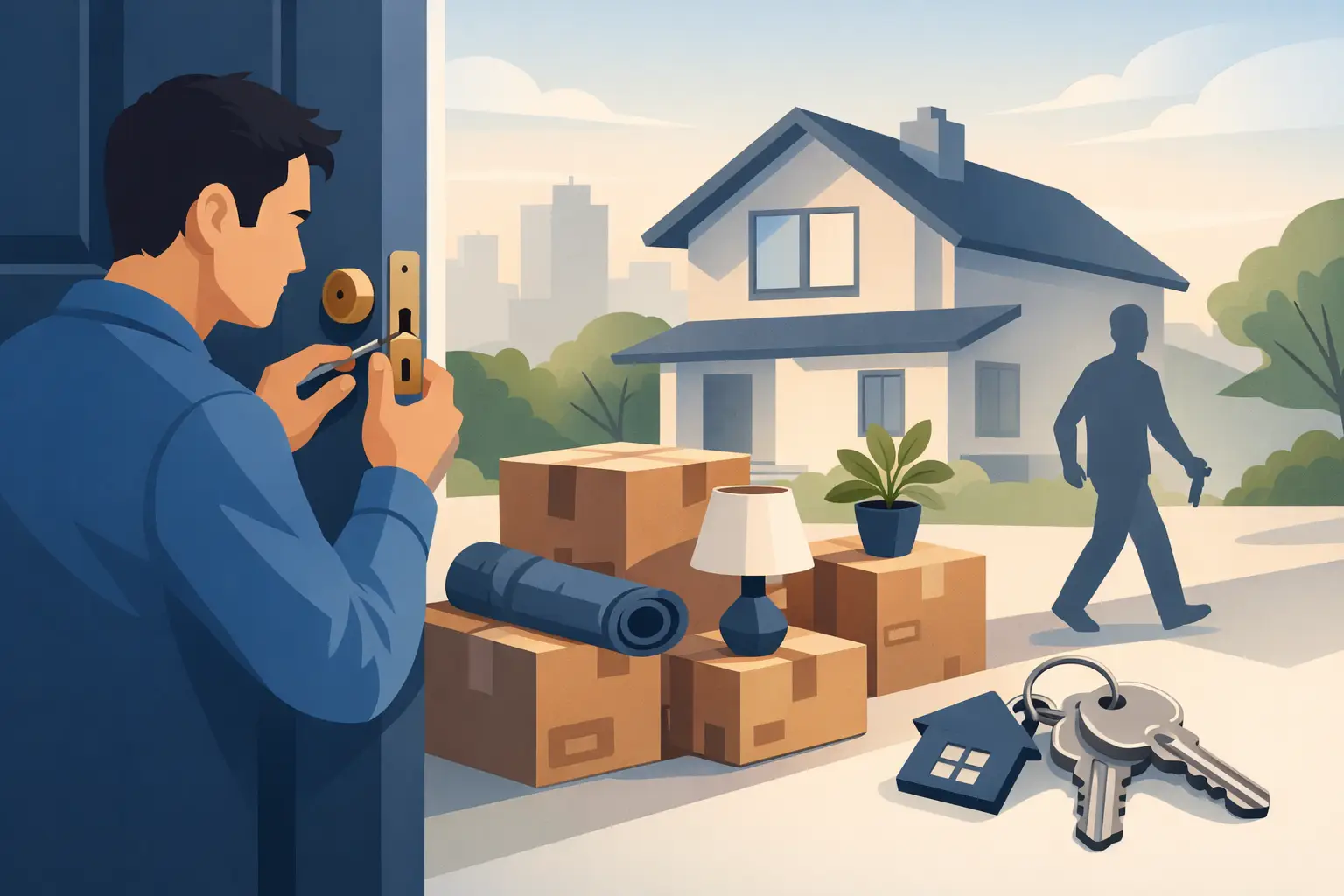

You finally get the keys, walk through the door, and start thinking about paint colors, furniture, and where the coffee maker goes. What most people do not think about first is who else might still have a key. That is exactly why many homeowners change locks after moving. It is one of the fastest ways to take control of your new home’s security from day one.
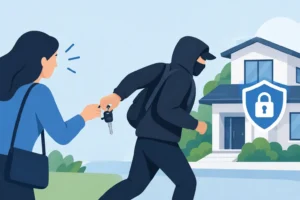
A new address does not automatically mean new access. Previous owners, old tenants, contractors, pet sitters, house cleaners, neighbors, family members, and real estate agents may have had copies made over the years. Some of those keys may be accounted for. Some may not. Even if everyone involved seems trustworthy, not knowing who can enter your home is not a risk worth carrying.
Why change locks after moving matters
Most homes come with a long history, even when the place looks clean, updated, and move-in ready. Locks are part of that history. Unless you personally watched every key get collected and verified, there is no real way to know how many copies exist.
This is not about assuming the worst about a seller or landlord. It is about removing uncertainty. Home security works best when access is simple and controlled. If you do not know who has keys, you do not have controlled access.
There is also a practical side to it. A lot of people move in and realize the front door key does not match the side door, back door, or garage entry. That means carrying multiple keys and sorting out which one works where. A locksmith can often rekey or replace locks so your home is easier to manage, not just more secure.
Change locks after moving or rekey them?
This is where it depends on the condition of the hardware and what you want from your security setup. Rekeying changes the internal pins of the lock so old keys no longer work. You keep the existing lock hardware, but you get a brand-new key. For many homeowners, that is the quickest and most cost-effective option.
Changing the locks means replacing the hardware entirely. That makes more sense if the locks are worn out, damaged, outdated, or low quality. It is also a smart move if you want to upgrade to high-security locks, smart locks, or a better keyway that is harder to copy.
If the existing hardware is in good shape, rekeying is often enough. If the locks feel loose, stick when turning, or look like builder-grade hardware that has seen better days, replacement may be the better investment. A professional locksmith can inspect the doors, test the hardware, and tell you which option gives you the best value.
The risk is not always obvious
A lot of break-ins do not involve forced entry. Sometimes access is easy because someone still has a working key. That could be a former resident, a disgruntled acquaintance of the prior owner, or someone who was given a spare years ago and never returned it.
Even if nothing criminal ever happens, there is still the issue of personal privacy. After a move, your house quickly fills with valuable items, documents, medication, electronics, and anything else that makes up your daily life. You should not have to wonder whether an old spare key still opens your front door.
This matters even more if you have children, travel often, or split time between properties. It also matters for people moving into homes after divorce, foreclosure, inherited property transfers, or tenant turnover. In those situations, the chain of key custody is often even less clear.
When should you do it?
As soon as possible. Ideally, lock service should happen before the first night in the home or immediately after closing. If that is not realistic because of moving logistics, schedule it for the first available day.
Waiting a few weeks can feel harmless, but that is when homes are often most vulnerable. Boxes are piled up, routines are disrupted, garage doors are opening constantly, and people are coming and going. It is better to handle your locks early so you can settle in without that loose end hanging over you.
For rental properties, timing matters just as much. Property managers and landlords should have locks rekeyed or changed between tenants, not after the new tenant has already moved in and started asking questions.
What a locksmith should check besides the front door
Homeowners often think only about the main entry, but access points add up fast. A proper lock review should include side doors, back doors, garage access doors, patio doors, and any connecting entry from the garage into the house.
If your home has older sliding doors, those may need more than a basic lock check. Many sliding door locks offer limited protection unless they are reinforced or paired with secondary security devices. The same goes for doors with weak strike plates or short screws. Sometimes the problem is not the lock cylinder itself, but the way the door is secured to the frame.
A good locksmith will also look at whether all your locks can be keyed alike, whether deadbolts are installed correctly, and whether the hardware matches the level of security you actually want. For some homes, a standard rekey is enough. For others, upgrading to a restricted key system or high-security lock makes more sense.
Smart locks can help, but they are not always the full answer
Many new homeowners ask whether they should skip traditional locks and install smart locks right away. Sometimes that works well, especially if convenience is a top priority. Smart locks can make it easier to manage codes, avoid physical key copies, and give temporary access to family or service providers.
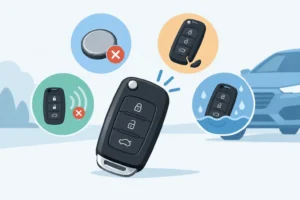
Still, smart locks are not one-size-fits-all. Battery maintenance, connectivity issues, and product quality all matter. Some homeowners prefer a smart lock on the main door and a strong traditional deadbolt on other entries. Others want high-security mechanical locks because they value durability and key control more than app features.
The right setup depends on your habits, the layout of the property, and how many people need access. What matters most is that your access system is intentional, not inherited from the previous owner.
A move is the right time to upgrade security
If you are already calling a locksmith, it makes sense to ask whether your current locks are actually doing their job. Many homes still have older hardware that meets the minimum standard but does not provide much resistance against picking, bumping, or unauthorized key duplication.
This is where lock replacement can be smarter than basic rekeying. Higher-security products can offer stronger cylinders, patented key control, and better overall performance. That can be especially valuable for homeowners who store expensive equipment, work from home, or simply want better protection without turning the house into a fortress.
In South Florida, where many homes have multiple entry points and residents often travel seasonally, controlled access matters. You want to know exactly who can get in while you are home and while you are away.
What to expect when you call a professional
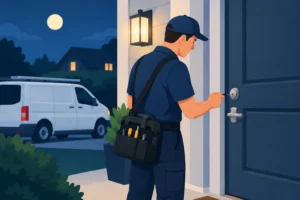
The process is usually straightforward. A mobile locksmith can come to your location, inspect the existing hardware, explain whether rekeying or replacement makes more sense, and complete the work on-site. That is faster and more reliable than trying to guess what lock parts you need at a hardware store.
This is also one of those services where credentials matter. You want a locksmith who is licensed, insured, and bonded, especially when the work affects every entry point to your home. Clear pricing matters too. Security decisions are easier when you are getting direct answers instead of vague estimates.
If you need help right away, General Locksmith provides mobile locksmith service 24/7 for homeowners who want fast, professional lock changes, rekeying, and security upgrades.
Peace of mind is the real reason to do it
People sometimes hesitate because changing locks feels like one more moving expense. That is fair. Moves are expensive, and there is always another box to unpack or another bill to pay. But this is one of the few post-move tasks that directly affects your safety on day one.
When you change locks after moving, you remove doubt. You know your keys work. You know old keys do not. You know your home starts with access under your control, not someone else’s leftovers.
That is a strong way to begin life in a new place. If your move is recent and the locks are still on the to-do list, now is the right time to take care of them and settle in with a little more confidence.