
A deadbolt that suddenly sticks or refuses to lock can turn a normal trip outside into a security problem. Before forcing the key or cranking the thumbturn harder, take a moment to identify what is actually binding. Knowing how to fix a deadbolt starts with separating a door-alignment issue from a worn or damaged lock.
Many deadbolt problems have a simple cause: the bolt is no longer lining up with the strike plate on the frame. Others come from dry moving parts, loose mounting screws, a damaged key, or internal lock failure. The right repair depends on which symptom you see.
Start With a Quick Deadbolt Diagnosis
Test the deadbolt with the door open first. Turn the thumbturn from inside, then test the key from outside if you have access. Watch the bolt as it extends and retracts.
If it works smoothly with the door open but will not lock when the door is closed, the lock itself is probably fine. The bolt is likely hitting the edge of the strike plate or the door frame instead of entering the hole.
If the bolt is difficult to move even with the door open, the issue is more likely inside the deadbolt or cylinder. Do not force it. Excess pressure can break a key, strip the thumbturn, or damage components that could otherwise have been repaired.
Check whether the bolt meets the strike plate
Close the door slowly and try to extend the bolt. If it hits metal, wood, or the top or bottom edge of the strike opening, you have an alignment problem. This is common in South Florida homes where humidity, settling, worn hinges, and seasonal expansion can change the way a door sits in its frame.
Look for fresh scrape marks on the bolt, strike plate, or frame. A lipstick or marker test can also help: apply a small amount of washable color to the end of the bolt, close the door, and turn the thumbturn. The transfer mark will show where the bolt is hitting.
How to Fix a Deadbolt That Is Misaligned
Start with the least invasive adjustment. Tighten the screws on the hinges, especially the top hinge. A loose top hinge can let the door sag just enough to make the deadbolt miss the opening. Check the screws holding the strike plate as well. If they are loose, tighten them carefully without overtightening and stripping the holes.
If the bolt is only slightly off-center, loosen the strike-plate screws, reposition the plate a small amount, and retighten it. Test after each adjustment. Moving it too far can create a new problem or leave weak material around the opening.
When the bolt is hitting the wood inside the strike opening, carefully remove a small amount of wood with a hand chisel or file. Work slowly. The goal is for the bolt to extend fully without rubbing, not to create an oversized opening that weakens the frame.
For a door that has shifted significantly, replacing short strike-plate screws with 3-inch screws that reach the wall stud can improve both alignment and security. This works only when the frame and surrounding wood are in good condition. If the frame is cracked, soft, split, or badly damaged, a professional repair is the safer choice.
Fix a Sticking or Hard-to-Turn Deadbolt
A deadbolt may stick because its moving parts are dry or dirty. Use a lock-safe dry lubricant, such as graphite or a PTFE-based lock lubricant, in the keyway and on the bolt mechanism. Insert the key and cycle it gently several times. Extend and retract the bolt with the door open before testing it against the frame.
Avoid spraying household oil, grease, or a heavy all-purpose lubricant into the keyway. These products may make the lock feel better for a few days, but they collect dust and grit over time. That buildup can make the cylinder harder to turn later.
If the key is difficult to insert, inspect it under good light. A bent key, worn cuts, or debris on the key can cause trouble. Try a spare key if you have one. Do not keep using a damaged key, especially when the lock feels tight. A key breaking inside the cylinder often turns a small repair into an urgent service call.
Tighten loose lock hardware
A loose deadbolt can feel unreliable even when the bolt still moves. With the door open, inspect the interior thumbturn and exterior cylinder. Most standard deadbolts have two mounting screws on the interior side that hold the halves together.
Tighten these screws evenly by hand. Do not overtighten them. Excess pressure can pinch the mechanism, causing the thumbturn or key to bind. After tightening, make sure the tailpiece is properly engaged and test the deadbolt several times with both the door open and closed.
If the thumbturn spins freely, turns without moving the bolt, or feels disconnected, the internal mechanism may be broken or incorrectly installed. That usually calls for disassembly and replacement rather than a quick adjustment.
When a Deadbolt Needs Replacement Instead of Repair
A deadbolt is not always worth saving. Replacement is usually the better option when the cylinder is badly worn, the bolt is bent, the internal mechanism slips, or the lock has been forced during a break-in or lockout attempt.
You should also consider replacement if the deadbolt is an older basic model with a short bolt throw, weak strike plate, or visible damage around the door frame. A new lock is an opportunity to improve the overall security of the opening, not just restore its basic function.
For exterior doors, choose a quality deadbolt that fits the door thickness and backset correctly. The backset is the distance from the door edge to the center of the lock hole, typically 2-3/8 inches or 2-3/4 inches. Measure before buying hardware. A lock that does not fit correctly can bind from day one.
Higher-security options can make sense for homes, rental properties, offices, and storefronts where key control matters. The right choice depends on the door, the frame, who needs access, and whether you need to restrict unauthorized key duplication.
Do Not Force a Deadbolt That Will Not Move
Forcing a deadbolt is one of the fastest ways to create a larger problem. Avoid using pliers on the key, kicking the door, drilling the lock, or striking the cylinder. These methods can damage the door, frame, hardware, and nearby glass, while still leaving you unable to secure the property.
If you are locked out, cannot get the deadbolt to retract, or have a broken key in the lock, call a licensed locksmith rather than attempting a destructive fix. The same applies when the door will not secure after an attempted repair. Your home or business should not be left vulnerable overnight because a bolt is only partly engaged.
When to Call a Locksmith
Call for professional help when basic cleaning, screw tightening, and minor strike-plate adjustments do not restore smooth operation. A locksmith can diagnose whether the problem is the cylinder, latch assembly, door alignment, hinges, frame, or installation. That distinction matters because replacing the wrong part wastes time and money.
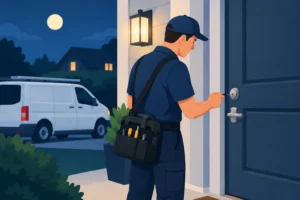
A mobile locksmith is especially useful when a deadbolt fails after hours, the key is trapped or broken, the lock was damaged during an attempted break-in, or you need the door secured immediately. General Locksmith provides 24/7 residential and commercial lock service across Broward County and nearby South Florida communities. Our licensed, insured, and bonded technicians can repair or replace damaged deadbolts and help identify practical security upgrades when needed.
Need fast, reliable help with a deadbolt that will not lock? Call 954-243-1381 for immediate assistance or to schedule service. A properly aligned, smoothly operating deadbolt is a small detail that makes a real difference in keeping your property protected.