
A missing vehicle key can turn a normal workday into an expensive delay. Fleet key replacement is not just about getting a new key cut – it is about getting the right driver back into the right vehicle without putting routes, deliveries, service calls, or customer commitments at risk.
For a fleet manager, business owner, or field supervisor, the priority is clear: restore access quickly, confirm the vehicle is secure, and avoid a repeat problem. A professional mobile locksmith can often come directly to the vehicle, create or program the needed key, and help you make a practical plan for spares and key control.
When Fleet Key Replacement Becomes Urgent
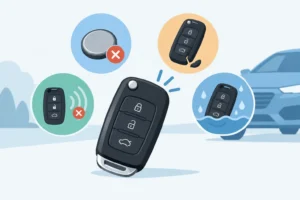
Fleet keys get lost in parking lots, left at a job site, broken in an ignition, damaged by water, or taken home by a former employee. Modern vehicle keys also have more failure points than old metal keys. A worn key fob battery, damaged remote, failed transponder chip, or programming issue can leave a perfectly functional vehicle unable to start.
The cost of that problem grows by the hour. A van sitting at a warehouse may mean missed deliveries. A locked work truck can keep tools and equipment out of reach. A driver stranded across town may require a schedule change, a tow, or a last-minute reassignment. Acting quickly protects more than the vehicle – it protects your operation.
If a key was stolen or lost in a place where it could be connected to your business, replacement alone may not be enough. Depending on the vehicle, it may be possible to erase the missing key from the vehicle’s memory and program new working keys. That step matters because the old key could still start the vehicle if it remains active.
What a Fleet Key Replacement Service Can Handle
The correct solution depends on the make, model, year, and key system in your fleet. Some vehicles use standard mechanical keys, while others use transponder keys, remote-head keys, smart keys, proximity fobs, or push-to-start systems. A replacement that physically fits the ignition is not always enough. If the key contains a chip or electronic fob, it may need to be programmed before the vehicle will start.
A capable automotive locksmith can assess the vehicle on site and determine whether the issue calls for key cutting, transponder programming, fob replacement, ignition repair, or lockout service. This is especially valuable when a vehicle is parked at a job site, customer location, airport, loading area, or roadside location where taking it to a dealership would add time and towing costs.
For fleets with different makes and model years, verify that the locksmith has experience with your vehicle types before dispatch. Commercial vans, pickup trucks, sedans, utility vehicles, and newer keyless models do not all use the same equipment or programming process. Clear information at the start helps the technician arrive prepared and reduces unnecessary delays.
The Information That Speeds Up Service
When you call for help, having a few details ready can make a major difference. The vehicle identification number, year, make, model, trim level, and current location help identify the proper key and service method. Let the dispatcher know whether every key is missing, a key is broken, the fob has stopped responding, or a driver is locked out with keys visible inside.
Proof that you are authorized to request service is equally important. A professional locksmith should verify ownership or company authorization before making a key or opening a vehicle. For a business fleet, this may include registration, insurance documentation, a fleet account record, or authorization from the owner or manager.
It also helps to explain the business impact. If the vehicle is blocking a route, holding job-critical equipment, or carrying temperature-sensitive inventory, say so. Emergency calls are not all identical, and accurate details allow the service provider to prioritize the right response.
Replacement, Reprogramming, or Rekeying: Know the Difference
These services are related, but they solve different problems. Key replacement means creating a new working key or fob. This is often the right answer when a key is damaged, misplaced but not considered a security risk, or when you need an additional spare.
Reprogramming is necessary when an electronic key, remote, or smart fob must communicate with the vehicle. If a key has been stolen, reprogramming may also allow the vehicle to reject the missing key. Not every vehicle offers the same level of key deletion or security reset, so the best option depends on its system.
Rekeying generally applies to door or ignition lock cylinders. It may be considered after theft, attempted theft, or a damaged lock. If a thief forced a door lock or ignition, simply programming a new key may leave the underlying damage unresolved. The vehicle should be inspected so the repair addresses both access and security.
Reduce Future Fleet Key Emergencies
No business can eliminate every lost key, but a simple process can reduce downtime significantly. Start by keeping at least one tested spare for each active vehicle. Store those spares securely at a central location or with an authorized manager, not hidden inside the vehicle.
Create a basic checkout process that records which employee has each vehicle and key. It does not need to be complicated. A digital log, signed key cabinet record, or fleet management system can provide accountability when a driver changes shifts, leaves the company, or moves between vehicles.
For larger operations, separate vehicle keys from access keys whenever possible. The key that starts a service van should not automatically provide unrestricted access to a warehouse, office, gated property, or equipment yard. This limits exposure if a vehicle key is lost or stolen.
You should also test spare fobs and remotes periodically. Batteries fail, fobs crack, and unused spares can become a surprise when they are needed most. Replacing a weak battery or worn housing during routine maintenance is far easier than discovering the issue during an emergency.
Why Mobile Locksmith Service Makes Sense for Fleets
A dealership can be appropriate for certain specialized situations, warranty concerns, or highly restricted vehicle systems. But it is rarely the most convenient first option when a working vehicle is stuck far from the dealership. You may need to arrange a tow, wait for an appointment, and take a vehicle out of service longer than necessary.
Mobile fleet key replacement brings the service to the vehicle. That can mean less disruption for drivers and fewer costs tied to towing or lost labor. It also allows a manager to handle the issue where it happened, whether that is at a customer property, a construction site, a parking garage, or a company lot.
Speed should never replace legitimacy. Use a licensed, insured, and bonded locksmith who verifies authorization, explains the work needed, and provides clear pricing before service begins. Be cautious of vague quotes that change after arrival or providers who cannot explain whether they are cutting a key, programming a fob, or addressing a damaged ignition.
A Smarter Response When a Key Goes Missing
When a fleet key disappears, first confirm the vehicle’s location and whether the driver is safe. Next, secure the vehicle if there is any chance the key was stolen or left near identifying information. Then contact a qualified mobile locksmith with the vehicle details and proof of authorization ready.
For businesses throughout Broward County and nearby South Florida service areas, General Locksmith provides 24/7 mobile automotive locksmith support for urgent vehicle access and key needs. There are no extra charges for weekends or holidays, because a key emergency does not wait for business hours.
Keep your vehicles moving, but do not treat a missing key as only a convenience issue. A fast, properly handled replacement protects your schedule today and gives your fleet better control tomorrow. Call 954-243-1381 when you need dependable help.