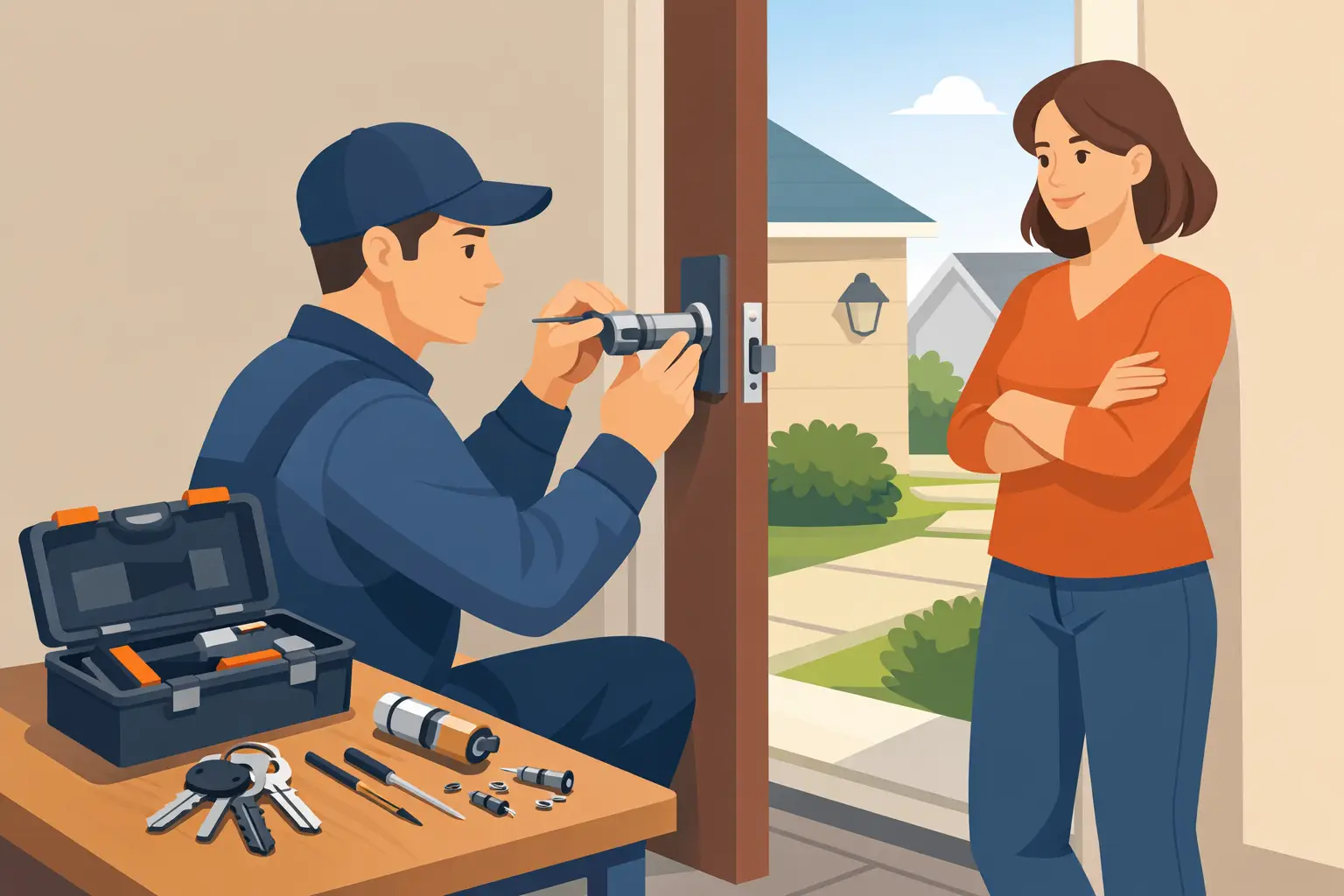

You do not always need brand-new locks to take control of your home security. If you just moved in, lost a key, had a tenant move out, or gave out too many spare copies over the years, learning how to rekey house locks can be the faster and more cost-effective fix.
Rekeying changes the lock so the old key no longer works. The hardware usually stays in place, but the internal pins are adjusted to match a new key. For many homeowners, that means better security without the cost of replacing every lock on the door. The catch is that not every lock is a good DIY candidate, and not every rekey job should be done with a kit and a YouTube video.
What it means to rekey a lock
A standard pin tumbler lock is designed so a specific key lines up the internal pins at the correct height. When you rekey it, you are changing those pin positions so the cylinder accepts a different key. From the outside, the lock often looks exactly the same. Inside, it has been reset.
That makes rekeying useful when the lock is still in good shape but key control is the problem. If the lock is worn out, sticking, loose, damaged, or low quality to begin with, replacement may be the smarter move. Rekeying fixes access, not bad hardware.
When how to rekey house locks is the right question
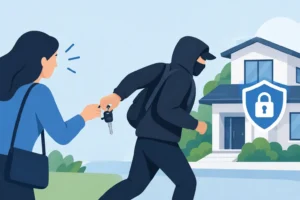
There are a few situations where rekeying makes immediate sense. Moving into a new home is the big one. You do not know how many copies of the old keys are floating around or who still has them. Rekeying gives you a clean slate without replacing every lock on day one.
It also makes sense after a breakup, roommate change, contractor access issue, lost key, or employee turnover at a rental property. Property managers often choose rekeying between tenants because it is practical, faster than full replacement, and easier to standardize across multiple units.
Where people get into trouble is assuming every security problem is solved by rekeying. If your deadbolt is flimsy, the strike plate is weak, or the door frame is compromised, changing the key alone will not do much. Security depends on the whole setup.
Can you rekey your own locks?
Sometimes, yes. Many basic residential locks from common brands can be rekeyed with the right kit, the original key, and some patience. If you are working on a standard knob lock or deadbolt in decent condition, and you are comfortable removing hardware and handling small internal parts, DIY can be realistic.
But there are limits. Some lock brands use restricted keyways or more complex cylinders. High-security locks such as Medeco, Mul-T-Lock, or Primus are a different category entirely. Those systems are built for tighter key control and stronger resistance to picking or bumping. Rekeying them usually requires professional tools, parts, authorization, or all three.
There is also the issue of time and accuracy. One dropped spring, one misread pin size, or one cylinder put back together incorrectly can leave you with a lock that binds, fails, or traps you outside. If this is the front door you rely on every day, the risk is worth thinking through before you start.
Tools you need before you begin
If you plan to do it yourself, you generally need a rekey kit made for your lock brand, the current working key, the new key you want the lock to use, a plug follower, small tweezers, and a clean workspace. Good lighting matters more than most people expect. These parts are tiny, and one mistake can slow the whole job down.
You also want to confirm that all the locks you hope to match are compatible. Homeowners often want one key for the front door, back door, and side entry. That is possible only if the locks share the same keyway or can be pinned alike. Similar-looking locks are not always compatible.
How to rekey house locks step by step
Start by testing the lock with the existing key so you know exactly how it works before taking anything apart. Then remove the lock from the door. On a deadbolt, that usually means taking off the interior screws and sliding the cylinder assembly out.
Once the lock is on a stable surface, remove the cylinder plug according to the instructions for that lock model. This is the step where many DIY jobs go sideways. The follower tool keeps the top pins and springs from popping out when the plug is removed. If you skip that step or rush it, you may end up rebuilding more of the lock than you planned.
With the plug out, remove the old bottom pins and insert the new key. Then install the replacement pins from the rekey kit so each pin stack sits flush with the plug when the new key is in place. That flush alignment is what allows the cylinder to turn smoothly.
After repinning, reassemble the cylinder, reinstall the lock, and test it several times with the new key before closing the door. Test from both sides if the lock allows it. A lock that seems fine on the workbench can still bind once it is mounted and under normal pressure.
If you are rekeying more than one lock to the same key, repeat that process carefully and label everything as you go. Mixing up parts between cylinders is an easy way to create extra work.
Common DIY mistakes
The biggest mistake is trying to rekey a lock that should be replaced. If the key already sticks, the latch drags, the cylinder feels loose, or the hardware is visibly worn, rekeying may leave you with the same problems plus a few new ones.
Another common mistake is buying the wrong rekey kit. Kits are brand-specific in many cases, and even within a brand there can be compatibility differences. People also underestimate how often they need the original working key. Many standard rekey procedures require it to remove the cylinder safely.
Then there is the issue of partial security. Some homeowners rekey only the front door and forget the garage entry, side door, or connecting door from the house to the patio. If you are updating access for safety reasons, the job should match how people actually enter the home.
When to call a locksmith instead
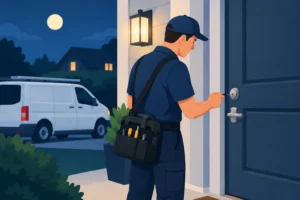
A professional locksmith is the better call when you want the job done quickly, want multiple locks keyed alike, do not have the original key, or suspect the lock hardware has deeper problems. It is also the right move if you have high-security locks, smart lock integrations, older doors with alignment issues, or a mix of brands throughout the home.
For many homeowners, the real value is not just convenience. It is knowing the lock is working correctly when the technician leaves. A licensed, insured, and bonded locksmith can also tell you whether rekeying is enough or whether your setup needs stronger deadbolts, better strike plates, fresh hardware, or upgraded key control.
That matters after a move, a security scare, or any situation where peace of mind is the real goal. In those moments, speed and correct work count more than saving a little money on a kit.
Rekeying vs replacing locks
If your locks are structurally sound and you simply want old keys disabled, rekeying is usually the better value. It is less invasive, often faster, and lets you keep the existing hardware and finish.
Replacement makes more sense when the hardware is outdated, damaged, builder-grade, or no longer meets your security expectations. It is also a smart time to replace locks if you want to move from standard hardware to a higher-security system with restricted keys.
That is where a good locksmith can save you from guessing. Sometimes the right answer is a mix: rekey certain doors, replace others, and standardize key access where it improves day-to-day use.
A smarter security move after rekeying
Once the locks are rekeyed, take a minute to look beyond the key itself. Make sure your deadbolts are solid, your strike plates are secured with long screws, and your spare key policy is tighter than it was before. If several people need access, consider whether a keypad or managed key system would reduce future headaches.
For homes in busy South Florida neighborhoods, vacation properties, and rental units, those details matter. The lock is only one part of control. The bigger goal is knowing exactly who can get in and making sure the door stands up when it counts.
If you are unsure whether your locks should be rekeyed, repaired, or replaced, getting a professional opinion can save time and prevent a bad DIY outcome. General Locksmith handles rekeying, lock upgrades, and urgent service calls 24/7. Need fast, reliable locksmith services? Call us now at 954-243-1381 for immediate assistance or to schedule an appointment. We’re here to help 24/7.
A good lock should not leave you guessing. If your keys have changed hands and your confidence in the door has changed with them, that is usually your sign to act.