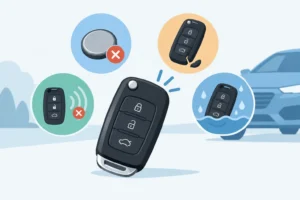

A missing office key is not a small problem when nobody can say what it opens, who last had it, or whether it was copied. For restaurants, offices, retail stores, warehouses, and rental properties, this business security key control guide turns that uncertainty into a clear process. Good key control protects your people, inventory, records, and ability to open on time.
Key control does not need to be complicated. It needs to be intentional, documented, and followed every day. The right system also makes life easier for managers, especially when staffing changes, a key goes missing, or an urgent lock issue happens after hours.
Why business key control matters
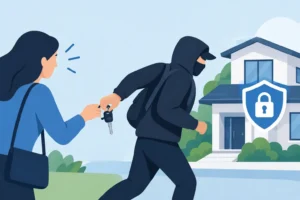
Every physical key represents access. A front-door key may grant entry to the building, while an interior key may open a stockroom, cash office, server closet, medicine cabinet, maintenance area, or gate. When keys are handed out casually, access can spread far beyond the people who actually need it.
The risk is not limited to theft. Uncontrolled keys can lead to employee disputes, unauthorized after-hours entry, damage, privacy concerns, and costly downtime after a lockout. A business may also face a difficult question after an incident: who had access? Without a key record, there may be no clear answer.
South Florida businesses often have additional practical concerns. Properties may have multiple entrances, shared suites, contractors coming and going, high employee turnover, or exterior gates exposed to weather. A key control plan gives the owner or property manager a reliable way to keep access organized despite those moving parts.
Business security key control guide: start with an audit
Before issuing another key, find out what is already in circulation. Walk the property and create a complete list of doors, gates, cabinets, padlocks, storage areas, and other locking points. Record the lock location, keyway or key code if applicable, and the people or roles that should have access.
Do not overlook keys that tend to disappear into drawers: mailbox keys, alarm-panel keys, utility-room keys, master keys, storage cage keys, delivery gate keys, and keys held by former supervisors. If a lock has no known key holder, treat it as a security concern rather than assuming the key was discarded.
Next, collect all keys currently held by employees. This can feel inconvenient, but it is the fastest way to see whether the number of active keys matches your records. If it does not, decide whether the risk justifies rekeying that lock. For exterior doors, master-keyed systems, cash areas, and sensitive records rooms, rekeying is usually the safer choice.
Build a key hierarchy based on real job needs
The simplest system is not always the safest. Giving every supervisor a master key may seem efficient, but it creates a major exposure if one key is lost or copied. Instead, match access to job responsibilities.
A front-desk employee may need the main entrance and supply closet, while a kitchen manager may need the rear door, cooler, and office. A maintenance vendor may need a mechanical room only during scheduled service hours. Restricting access this way limits the damage a lost key can cause.
A well-designed master key system can help larger properties manage multiple doors without carrying a crowded key ring. However, it must be planned carefully. The more doors a master key opens, the more tightly it should be controlled. Keep the number of grand master keys as low as possible, and issue them only to trusted decision-makers.
For businesses with several units, departments, or tenants, ask a professional locksmith to map the system before locks are changed. An improperly planned master-key arrangement can create unintended access and become expensive to correct later.
Use restricted keys where the stakes are higher
Standard hardware-store keys are convenient, but convenience can work against your security plan. Many can be copied without your knowledge. Restricted key systems are designed to give the business more control over duplication. Authorized copies are typically made only through approved channels and with proper authorization.
Restricted keys are a strong fit for exterior doors, offices with customer files, pharmacy or medical storage, inventory rooms, and properties with frequent staff turnover. Brands such as Medeco, Mul-T-Lock, and Primus offer higher-security options, but the best choice depends on the door, existing hardware, budget, and level of risk.
Restricted keys do not eliminate the need for records. They make unauthorized copying more difficult, while your key log shows who was issued each authorized key.
Keep a key log that someone actually uses
A key log is the center of effective key control. It can be a secure digital record, a locked paper log, or a key-management platform for larger operations. What matters is consistency.
For every issued key, record the key number, the doors or areas it opens, the employee or vendor receiving it, date issued, approving manager, and return date when applicable. Avoid labeling keys with the business name, suite number, or door location. If a key ring is lost, those labels give a stranger a map to your property.
Assign each key a unique number instead. Keep the meaning of that number in the private log. Employees should sign for keys and understand that keys cannot be loaned, duplicated, or taken home unless management has approved it.
For businesses that issue keys to contractors, create a separate temporary checkout process. Set an expected return date and verify the return before the vendor leaves the job. A contractor key that remains active for months after a project ends is an avoidable gap.
Store spare keys like security assets
Spare keys should not live in an unlocked desk drawer, taped under a counter, or hidden outside the building. Those shortcuts can turn an inconvenience into a break-in opportunity.
Use a secured key cabinet or safe that is accessible only to designated managers. The cabinet itself should be anchored and located away from public view. Keep a separate log for keys removed from the cabinet, including emergency keys.
An emergency spare is still valuable. It can prevent a costly lockout when a manager misplaces a key before opening time. But it should be controlled, not casually available. If the emergency key is used, document why, return it immediately, and investigate whether the original key needs to be replaced or the lock rekeyed.
Make key return part of every exit process
Employee departures are one of the most common points of failure. Whether someone resigns on good terms or is terminated unexpectedly, key recovery should happen before their access ends.
Include keys, access cards, alarm codes, parking tags, and company devices on your exit checklist. Compare returned keys to the signed issue record. If a key is missing, do not wait weeks to decide what to do. Assess what it opened and whether the former employee could identify the property or door.
Rekeying may not be necessary for every missing interior key. It depends on the key’s access level, whether the key is identifiable, and the circumstances of the separation. Exterior keys, master keys, and keys to sensitive areas deserve immediate attention.
The same rule applies when keys are lost, stolen, or not returned by a vendor. Quick action costs less than dealing with a security incident later.
Review your system before an incident forces you to
Set a regular schedule to review the key log and physically count keys. Quarterly reviews work well for many small businesses. Properties with frequent staff changes, many contractors, or high-value inventory may need monthly checks.
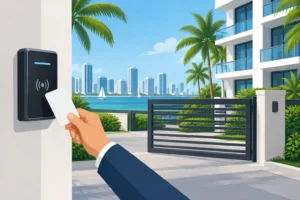
During each review, confirm that assigned employees still need their access, remove keys from former staff, inspect worn locks and keys, and verify that restricted-key authorization is current. Consider whether electronic access control makes sense for certain doors. Key cards and mobile credentials can be deactivated quickly, but they require power, administration, and a budget for equipment. Physical keys remain dependable during outages, so many businesses use both systems together.
If your locks are old, keys are circulating without records, or one lost key could compromise several doors, a professional assessment can identify the fastest path to better control. General Locksmith provides commercial lock, rekeying, master-key, and high-security lock support across Broward County and nearby South Florida communities. Call 954-243-1381 for immediate assistance or to schedule an appointment, 24/7.
A key should open only the doors needed to do a job, for only as long as that access is needed. Put that rule into practice now, and the next missing key becomes a manageable event instead of a serious security question.