
You come home, realize a key is missing, and suddenly the question is not theoretical anymore. Rekeying vs lock replacement becomes a real security decision, and the right answer depends on what happened, how quickly you need control back, and whether your current hardware is still worth keeping.
For most homes and businesses, both options can solve the immediate problem. The difference is that rekeying changes who can use the lock you already have, while lock replacement removes the existing hardware and installs something new. One is often faster and more cost-effective. The other can be the smarter move if the lock is damaged, outdated, or no longer giving you the protection you need.
Rekeying vs lock replacement: what changes?
Rekeying keeps the lock body in place but changes the internal pins so the old key stops working. You get a new key, and anyone with the previous key loses access. If your locks are in good condition and you want to restore control without replacing visible hardware, rekeying is usually the cleanest fix.
Lock replacement means taking off the old lock and installing a new one. That may involve swapping out a deadbolt, knob, lever, storefront lock, or other hardware entirely. This is the better choice when the lock is worn out, malfunctioning, or no longer matches the level of security you want.
That distinction sounds simple, but the decision often comes down to context. A lost house key is different from a break-in. A tenant turnover is different from a commercial door with heavy daily traffic. A front door deadbolt that still works smoothly is a different situation from one that sticks, wiggles, or has visible damage.
When rekeying makes more sense
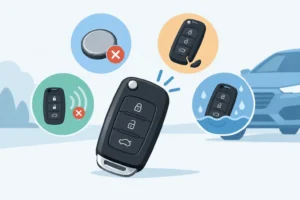
Rekeying is often the right move when the goal is access control, not new hardware. If you lost a key, moved into a new home, ended a roommate arrangement, or had employee turnover, rekeying can quickly make old keys useless.
This option is especially practical when your locks are still in good shape. If the lock operates smoothly, the hardware is secure, and you are happy with the style and brand, there may be no reason to replace the entire unit. In many cases, rekeying is the faster service and the more budget-conscious one.
It also helps simplify key management. If you have several compatible locks, a locksmith can sometimes rekey them to work with one key. That can be a big improvement for homeowners juggling multiple doors or for property managers trying to reduce key confusion between units and common areas.
For businesses, rekeying can be a smart response after staffing changes. You do not always need to change every lock body after an employee leaves. If the hardware is solid and the concern is simply old keys still circulating, rekeying restores control without a full hardware overhaul.
When lock replacement is the better call
If the lock is damaged, unreliable, or low quality, replacement is usually the safer path. A lock that binds, spins, loosens, or shows signs of forced entry should not be kept in service just because rekeying is possible. Security hardware has to do more than accept a new key. It has to hold up under use and resist tampering.
Replacement also makes sense when you want to upgrade security. Many older locks were never designed to meet current expectations for pick resistance, drill resistance, and key control. If you want stronger protection, moving to a high-security product can be a better long-term investment than rekeying basic hardware.
There are also compatibility issues. Some locks cannot be rekeyed efficiently, and some cheaper hardware is not worth servicing. In those cases, replacement is not just better. It is the practical option.
Appearance can matter too. If you are remodeling, standardizing door hardware across a property, or correcting mismatched finishes after piecemeal repairs, replacement may give you a cleaner result. That is not just about looks. Consistent hardware is often easier to maintain and manage.
Cost is part of the answer, but not all of it
People often assume rekeying is always the right choice because it usually costs less than replacing the lock. Sometimes that is true. But price only tells part of the story.
If you rekey a lock that is already nearing the end of its life, you may save money today and pay again soon when the hardware fails. On the other hand, replacing a perfectly good lock just because a key went missing may be unnecessary. The best choice balances immediate cost with how much useful life and security value you are getting.
That is why a professional inspection matters. A licensed locksmith can tell you whether the issue is simply key control or whether the hardware itself is now the weak point.
Security after a lost key, break-in, or move
Some situations call for speed more than anything else. If your keys were stolen, your purse went missing, or you cannot account for who might still have access, rekeying can restore control fast. You do not need to wait for a bigger project to regain peace of mind.
After a break-in or attempted forced entry, the equation changes. Even if the lock still turns, hidden damage may affect performance. In that case, replacement is often wiser, especially if the existing hardware was defeated too easily.
After moving into a new home, rekeying is often enough if the locks are good quality and in solid condition. You simply do not know how many copies of the old keys exist. But if the hardware is old, mismatched, or flimsy, moving is also a smart time to upgrade.
For rental properties, the answer can vary unit by unit. During routine tenant turnover, rekeying often handles the problem efficiently. For common doors, gates, or areas exposed to heavier wear, replacement may make more sense over time.
Rekeying vs lock replacement for commercial properties
Commercial doors put more stress on hardware, so durability matters more. In offices, retail spaces, warehouses, and multi-tenant properties, rekeying is often useful after employee turnover or when a key is unreturned. It restores access control quickly and avoids unnecessary downtime.
But if the lock has been heavily used, patched together over the years, or no longer matches the level of traffic and risk, replacement is often the stronger decision. Commercial properties may also need better key control systems, restricted keyways, panic hardware compatibility, or master key planning. Those are cases where replacement can solve bigger operational problems, not just key access.
For business owners, the best question is not just which service costs less today. It is which option reduces future disruptions and keeps the property secure under daily use.
Why the lock type matters
Not every lock is serviced the same way. Standard residential deadbolts are often straightforward to rekey if they are in good condition. High-security locks, smart locks, mortise cylinders, and commercial-grade systems may follow different rules.
Some high-security cylinders can be rekeyed, but they require the right parts, the right authorization, and a technician who knows the system. Smart locks may still have a mechanical cylinder that can be rekeyed or replaced, but the electronic side may also need to be reset or reprogrammed.
That is another reason one-size-fits-all advice falls short. The right fix depends on the hardware you have now, not just on the problem that brought you there.
The fastest way to make the right call
If you are standing at the door wondering what to do, start with three questions. Is the lock physically sound? Are you happy with its security level? Is the main problem old keys still working?
If the lock is solid and the issue is access control, rekeying is often the smart move. If the lock is failing, outdated, or compromised, replacement is usually worth it. When both access control and better protection matter, replacing the lock with a stronger model may be the better long-term answer.
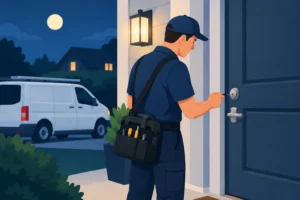
For homeowners and businesses dealing with an urgent situation, speed matters, but so does getting the fix right the first time. A mobile locksmith can assess the hardware on-site, explain the trade-offs clearly, and handle the work without delay. That matters even more when you are trying to secure a property after hours, over a weekend, or between tenants.
At General Locksmith, we help customers across South Florida make that call every day, whether the need is immediate rekeying, full lock replacement, or a security upgrade to stronger hardware. The right choice is the one that restores safety, fits the condition of your locks, and leaves you confident about who has access when the door closes.
If you are unsure which option fits your situation, do not guess based on price alone. The smartest security decisions usually start with a quick professional look and end with one goal met fast: knowing your property is secure again.