
A basic deadbolt can look solid on the door and still leave you exposed where it counts. The weak point is often not the metal you can see, but the cylinder, the strike area, the key control, or the way the hardware was installed in the first place. That is why high security lock installation matters for property owners who want more than a standard lock from the hardware store.
For homeowners, that usually means better protection against picking, bumping, drilling, and unauthorized key duplication. For business owners and property managers, it also means tighter control over who has access, when keys can be copied, and how easily a lock system can be expanded later. The goal is not just a tougher lock. It is a smarter security setup that fits the door, the property, and the level of risk.
What high security lock installation actually changes
A true high-security lock is different from a basic residential or commercial lock in a few important ways. First, the cylinder is designed to resist common attacks. That can include hardened inserts to slow drilling, sidebar systems that make picking more difficult, and keyways built to reduce bump-key vulnerability.
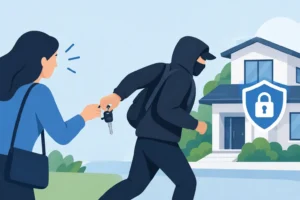
Second, many high-security systems offer restricted or controlled key duplication. That matters more than most people realize. If an old employee, contractor, tenant, or even a former roommate can copy a key without your knowledge, the lock is only doing part of its job. Key control helps close that gap.
Third, these systems are often built for better integration across a property. A business may want one key for the owner, different access levels for staff, and separate doors grouped into a master key system. A homeowner may want front, side, and garage entry secured without carrying three different keys. Good installation makes those decisions practical from day one.
Not every door needs the same setup
This is where many people either overspend or undershoot. A high-security lock is only as effective as the door and frame supporting it. Installing premium hardware on a warped wood frame or a poorly aligned metal door can limit the value of the upgrade.
For a single-family home, the front door is usually the first place to start. It is the primary entry point, the most visible target, and the area where key control matters most. Secondary doors may need the same level of protection, but not always. Sometimes the better move is pairing a high-security deadbolt at the main entry with reinforcement at side or rear doors.
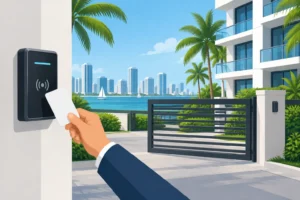
For commercial properties, priorities are different. A storefront may need strong cylinder protection and frequent rekey flexibility. An office may need restricted keys and a master key structure. A multi-tenant property may need a system that can grow without replacing every lock later. The right answer depends on traffic, turnover, and who needs access.
How professional high security lock installation works
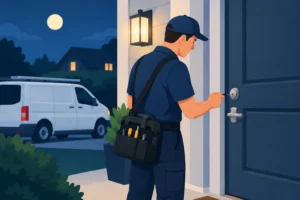
The installation process should start with the door, not the catalog. A locksmith needs to check the door material, thickness, backset, frame condition, strike alignment, and whether existing prep will support the new hardware. In some cases, a lock can be upgraded cleanly. In others, the door needs adjustment, reinforcement, or hardware changes to get the result you are paying for.
That is one reason professional installation matters. High-security products are precise by design. If the bore is off, the latch is misaligned, or the strike does not seat correctly, the lock may bind, wear early, or fail to perform the way it should under force. Even a premium cylinder can become frustrating if the install is rushed.
A proper job also includes testing. The door should latch smoothly, lock consistently, and operate without forcing the key. If the setup includes multiple cylinders, master keying, or restricted key registration, those details should be verified before the technician leaves. The lock should not just fit. It should work cleanly every time.
Brands matter, but fit matters more
Some customers ask for brands like Medeco, Mul-T-Lock, or Primus because they have heard those names associated with stronger security. That is reasonable. Established high-security brands usually offer better engineering, key control options, and product support than generic hardware.
Still, the best brand on paper is not automatically the best choice for your property. A storefront with high employee turnover may need easy system management. A homeowner may care more about anti-duplication and strong front-door protection. A property manager may need a balance between cost, durability, and rekey strategy across multiple units.
This is where a licensed locksmith adds real value. The job is not to push the most expensive lock. It is to match the right level of protection to the actual use case.
Common reasons people upgrade
Some customers call after a break-in attempt, and others call because they have had enough of cheap locks failing. Both are valid reasons to upgrade. High-security lock installation is often the right move when keys have changed hands too many times, when a business has grown beyond a simple lock-and-key setup, or when a property owner wants better control without moving to a full electronic system.
In South Florida, another factor is wear. Heat, humidity, salt air in some areas, and constant use can shorten the life of lower-grade hardware. A better lock installed correctly can hold up better over time, but material choice and maintenance still matter. Exterior doors near the coast, for example, may need more attention to finish quality and corrosion resistance than an interior office entry.
What to ask before the work starts
If you are comparing options, ask simple but useful questions. Is the lock resistant to picking, bumping, and drilling? Can keys be duplicated without authorization? Will this lock work with your existing door and frame, or will modifications be needed? If you are securing a business, can the system be expanded later?
You should also ask who is doing the work. A licensed, insured, and bonded locksmith gives you a stronger level of accountability than a random installer with a van and a low quote. That matters when security hardware is being fitted to your home, your business, or a property you manage for others.
Pricing can vary, and it should. A basic cylinder upgrade is not the same job as fitting a high-security deadbolt to a reinforced door or building out a commercial master key system. The right estimate should reflect the actual hardware, the condition of the opening, and the complexity of the install.
When repair, rekeying, or replacement makes more sense
Not every call for better security requires a full replacement. Sometimes an existing high-security cylinder can be rekeyed. Sometimes the issue is a failing strike, poor alignment, or loose hardware rather than the lock itself. In other cases, replacing a standard lock with a high-security model is the better long-term move because the old hardware was never designed to offer real resistance.
That is why an honest assessment matters. A trustworthy locksmith should be able to explain whether your current setup can be improved or whether it is time to replace it. Quick answers are useful in an emergency, but smart answers save money and frustration later.
For customers who need help fast, the biggest advantage of working with a mobile locksmith is convenience. You can have the door evaluated, the hardware recommended, and the installation completed without waiting days for a showroom visit or a contractor chain that keeps passing the job around. General Locksmith handles that kind of work with licensed technicians and 24/7 availability, which is especially helpful when a security issue cannot wait until Monday morning.
High security lock installation is not about buying the most complicated lock on the shelf. It is about making sure the people who should have access do, and the people who should not, do not. If your current locks leave too many questions unanswered, that is usually the sign it is time to tighten things up.