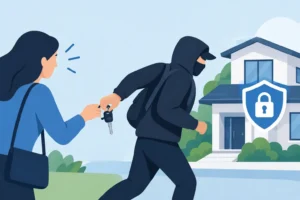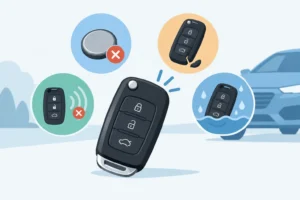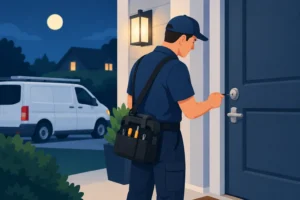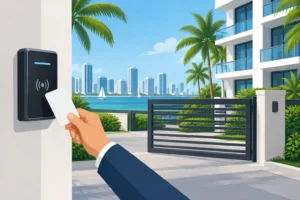


A guest standing outside with luggage at 11 p.m. is not the time to discover that a key is missing, a battery is dead, or a previous guest still has access. The best locks for Airbnb hosts make arrivals simple for guests while giving property owners clear control over who can enter and when.
For most short-term rentals, a keypad deadbolt or smart lock is a better fit than a traditional keyed lock alone. But the right choice depends on the door, the property layout, the level of guest turnover, and whether you manage the rental yourself or from another city. Convenience matters, but the lock also has to protect the property when no one is there to watch it.
What Airbnb Hosts Need From a Lock
A rental lock has a different job than the lock on a primary residence. Guests expect self-check-in, especially after flights, traffic delays, and late-night arrivals. Hosts need to change access quickly between reservations without making duplicate keys or meeting every guest in person.
The strongest setup balances four things: reliable entry, controlled access, physical security, and a backup plan. A lock that sends temporary codes is useful. A lock with a weak deadbolt, an exposed key cylinder, or no way to enter during a battery failure can still create a serious problem.
Before buying hardware, inspect the door itself. A high-quality lock cannot compensate for a loose strike plate, a weak frame, rotted wood, a misaligned deadbolt, or a flimsy door. On many rental properties, reinforcing the strike area with longer screws secured into the framing is just as valuable as changing the lock.
The Best Locks for Airbnb Hosts by Rental Setup
Smart keypad deadbolts for most properties
For a single-family home, condo, townhouse, or private guest suite, a smart keypad deadbolt is often the practical first choice. Guests receive a unique code instead of a physical key. The host can delete that code at checkout, create a new one for the next reservation, and avoid the risk of copied keys circulating after multiple stays.
Look for a model that allows multiple user codes, scheduled access windows, activity records, and remote management through a dependable app. Auto-lock is helpful for guests who leave in a hurry, although it should be configured carefully. A very short auto-lock timer can be frustrating when guests are carrying groceries or moving luggage.
Smart locks vary widely in build quality. Choose a deadbolt with a solid bolt, a protected interior thumbturn, and hardware designed for exterior doors. If the property is in a humid South Florida location, weather resistance and battery performance deserve extra attention. Heat, moisture, and salt air near the coast can be tough on electronics and finishes.
Standalone keypad deadbolts for simple, dependable access
A non-connected keypad deadbolt is a good answer when you want code access without depending on Wi-Fi, an app, or a smart-home system. It is particularly useful for hosts who live nearby, have only one rental, or want fewer technical issues to troubleshoot.
The trade-off is management. You may need to be at the property to add or erase codes, depending on the model. Some keypad locks also have fewer code scheduling features than connected models. Still, a quality keypad deadbolt can be more reliable than an inexpensive smart lock with poor wireless performance.
This option works well for hosts who value simplicity and maintain a clear turnover routine. Change the code after each stay, test the keypad before a new arrival, and keep the programming instructions where you can access them quickly.
Keyed deadbolts for lower-tech or secondary doors
A traditional keyed deadbolt may be appropriate for a low-use secondary entrance, owner closet, storage room, or utility area. It is familiar, durable, and does not require batteries. It should not, however, be the only access solution for a busy self-check-in rental unless the host has a secure, well-managed key handoff process.
If you use keyed locks on exterior doors, rekey the property when you take over management and whenever keys could have been lost or copied. Avoid hiding spare keys in obvious locations. Guests, cleaners, contractors, neighbors, and delivery drivers all know where people tend to look.
For higher-risk doors or properties with frequent staff access, restricted keyways can provide better key control. High-security options from brands such as Medeco, Mul-T-Lock, and Primus are worth considering when unauthorized key duplication is a concern.
Lever locks and handlesets: use them with a deadbolt
A keypad lever lock can be convenient for guests, especially on doors where accessibility is a concern. However, the latch in a standard lever lock usually does not offer the same forced-entry resistance as a properly installed deadbolt.
For a main exterior entrance, use a deadbolt as the primary security lock. A lever or handleset can handle the door latch and everyday operation, while the deadbolt provides the protection you want when the home is vacant or guests are asleep.
Features That Matter More Than Fancy Apps
Not every connected feature adds real value. The best lock is the one your guests can operate without calling you, your cleaner can use during scheduled hours, and you can regain control of if something goes wrong.
Prioritize these practical features:
- Unique, removable guest codes instead of one permanent code shared with everyone.
- Time-based access for cleaners, maintenance workers, and co-hosts.
- Low-battery warnings with enough notice to replace batteries before a lockout.
- A mechanical key override or another clearly tested emergency-entry method.
- A protected exterior design that can handle rain, direct sun, and daily use.
- Compatibility with your door thickness, backset, handing, and existing deadbolt preparation.
Remote unlocking sounds convenient, but it should not replace a good code-management process. If a guest calls claiming they are locked out, verify their identity before granting access. Keep booking information, guest communication, and emergency procedures organized so you are not making rushed decisions late at night.
Do Not Forget the Backup Plan
Every electronic lock needs a failure plan. Batteries die. Guests enter the wrong code repeatedly. Wi-Fi goes down. A guest may accidentally engage an interior privacy latch or leave a physical key inside the unit.
First, use quality batteries and replace them on a schedule rather than waiting for alerts. Second, test the mechanical override before you need it. If it uses a key, keep that key in a secure location that is not inside the rental. Third, make sure a trusted local contact, co-host, or locksmith can respond when you cannot.
For hosts in Broward County, Miami-Dade, or Palm Beach County, local support matters when a lock fails between check-in and checkout. General Locksmith can assess the door, install compatible hardware, rekey existing cylinders, and provide emergency help if a guest or manager is locked out. Call 954-243-1381 for fast, reliable 24/7 locksmith assistance.
Installation Can Make or Break the Lock
Even an excellent lock will perform poorly if the bolt does not fully enter the strike plate. After installation, close the door normally and confirm the deadbolt extends smoothly without lifting, pushing, or pulling the door. If it binds, fix the alignment instead of forcing the lock to work harder.
Check the screws on the strike plate and hinges. Short screws that only grip the trim or doorjamb offer limited resistance. Properly placed longer screws can tie the hardware into the framing behind the jamb. This is a straightforward improvement that often gets missed during quick lock replacements.
If the rental is in a condo or managed community, review association rules before changing exterior hardware. Some buildings require specific finishes, key systems, fire-rated hardware, or approval for smart devices. Local fire and building requirements can also affect which locks are suitable for certain doors.
A Practical Choice for Most Hosts
For most Airbnb properties, choose a quality keypad smart deadbolt with scheduled guest codes, low-battery alerts, a tested emergency override, and a properly reinforced door frame. Pair it with a standard lever or handleset if needed, and use a separate keyed high-security lock for owner-only spaces where key control matters most.
The goal is not to fill the property with complicated technology. It is to give legitimate guests an easy arrival, remove access immediately after checkout, and make sure your property is still protected when plans change. Test the system as if you were a tired guest arriving after midnight, because eventually one will be.