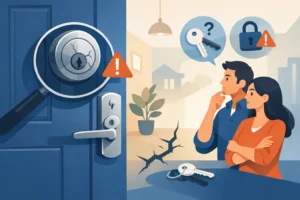
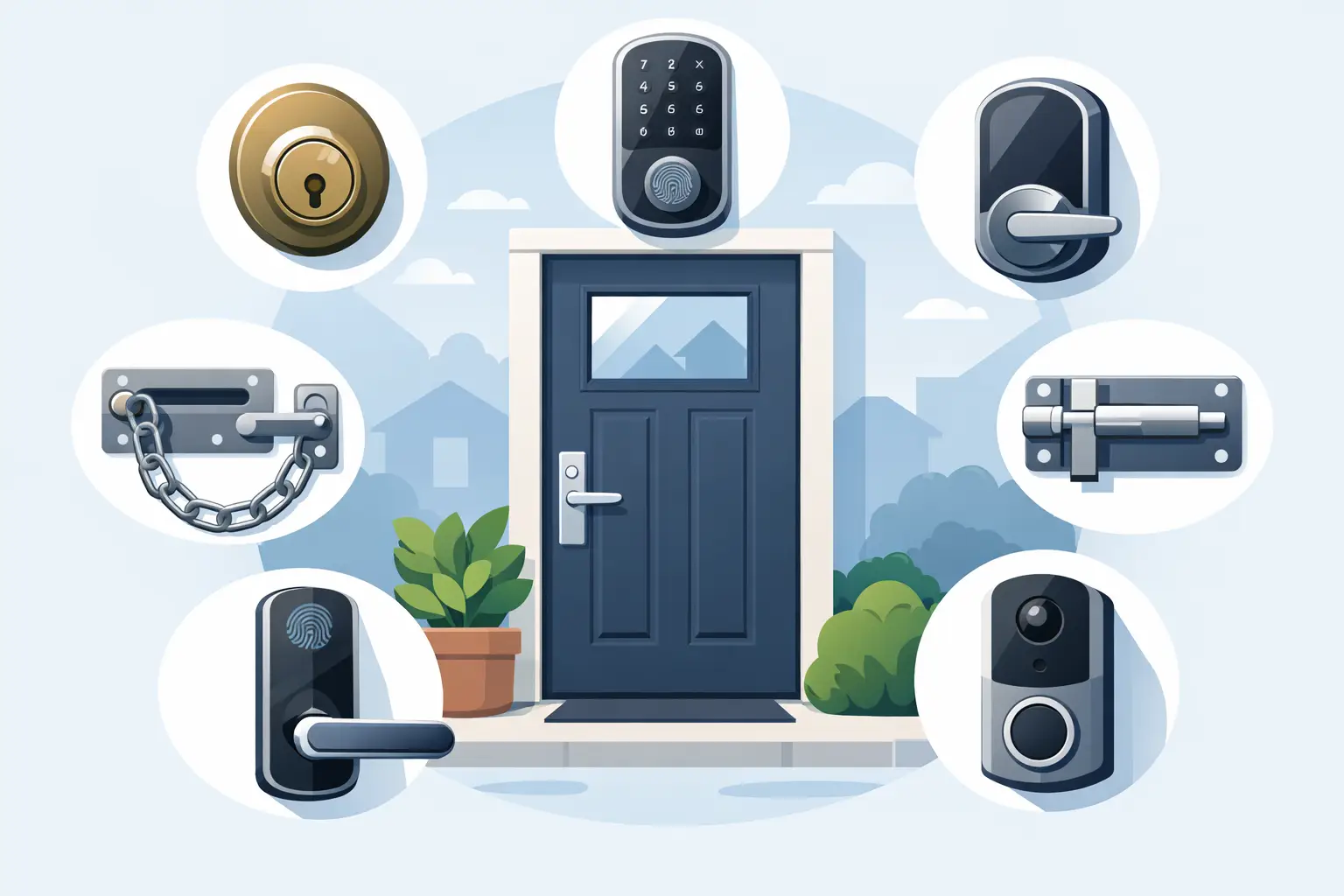

A front door lock usually gets attention only after a problem – a break-in nearby, a sticky key, a lockout, or that uneasy feeling when the hardware on the door looks older than the house itself. If you are comparing the best locks for front doors, the right choice depends on more than brand name or price. You need a lock that fits your door, your daily routine, and the level of security you actually want.
For some homeowners, a solid Grade 1 deadbolt is enough. For others, especially people managing rentals, protecting a family home, or upgrading after a security scare, it makes sense to look at high-security cylinders, reinforced strike plates, or smart lock features. The strongest setup is rarely just one product. It is the combination of the lock, the door, the frame, and proper installation.
What makes the best locks for front doors?
The first thing to understand is that not all locks are built for the same job. A basic keyed knob lock may keep the door shut, but it should not be your main layer of security. For a front entry, the deadbolt does the real work. If that deadbolt is low grade, poorly aligned, or installed into a weak frame, even a recognizable brand may not give you the protection you expect.
When locksmiths evaluate front door security, we usually look at four things: the lock grade, the cylinder quality, resistance to forced entry, and how well the hardware matches the door itself. ANSI/BHMA grading matters here. Grade 1 is the highest residential and commercial standard, Grade 2 is a strong residential option, and Grade 3 is the budget tier. Grade 3 can be acceptable in some low-risk situations, but it is not where most homeowners want to stop for a primary entry door.
The other issue is convenience. A lock that is technically secure but frustrating to use often leads to bad habits – people leave doors unlocked, hide spare keys outside, or stop using the deadbolt altogether. That is why the best choice is often the one that balances security with the way you live.
Best front door lock types to consider
Single-cylinder deadbolts
For most homes, this is the standard answer. A single-cylinder deadbolt uses a key on the outside and a thumb turn on the inside. It is simple, dependable, and widely recommended for front doors because it gives strong protection without slowing down a quick exit from inside.
A good single-cylinder deadbolt from a reputable manufacturer is often the best value upgrade a homeowner can make. If your current lock feels loose, binds when turning, or has visible wear, replacing it with a Grade 1 or strong Grade 2 deadbolt can make a real difference.
Double-cylinder deadbolts
A double-cylinder deadbolt requires a key on both sides. Some homeowners consider these for doors with nearby glass, since an intruder cannot simply break the glass and turn the thumb latch from inside. That added protection can help in certain layouts, but there is a trade-off. In an emergency, needing a key to exit can create a safety concern.
Before choosing this type, it is smart to think about fire safety, local code requirements, and who lives in the home. For many families, the downside outweighs the benefit.
Smart locks
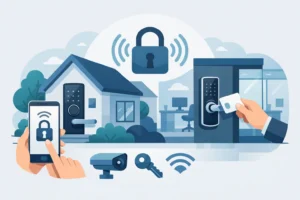
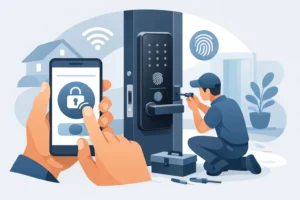
Smart locks are popular for a reason. They make everyday access easier, especially for busy households, rental properties, and anyone tired of handing out spare keys. Depending on the model, you may get keypad access, remote locking, app control, temporary codes, and activity tracking.
That convenience does not automatically mean better security. Some smart locks have excellent build quality, while others focus more on features than physical strength. If you want a smart lock, look beyond the app. Check the hardware grade, battery backup options, manual key override, and how securely it mounts to the door.
A smart lock can be a great fit, but it should still be installed and reinforced like any serious front door lock.
High-security deadbolts
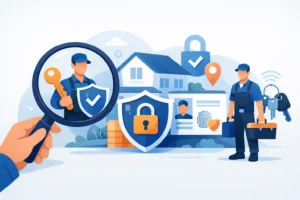
If you want stronger key control and more resistance to picking, drilling, bumping, and unauthorized key duplication, high-security locks are worth a serious look. This is where brands like Medeco, Mul-T-Lock, and Primus stand out. These locks are built for people who want more than standard hardware store protection.
High-security locks cost more up front, but they solve problems ordinary locks do not. Restricted keys are a major advantage. If you have contractors, housekeepers, former tenants, or lost keys in the picture, key control matters. It is hard to put a price on knowing someone cannot casually duplicate your front door key.
Handleset and deadbolt combinations
Many front doors have decorative handlesets paired with a separate deadbolt. This setup can look great and work well, but the decorative lower handle should not be mistaken for the main security component. The deadbolt still carries the burden.
If you are replacing a handleset, focus first on the quality of the deadbolt and the strength of the mounting hardware. Good looks help curb appeal. Good deadbolts help keep the door secure.
The best lock is only as good as the installation
A lot of front door failures have less to do with the lock and more to do with the frame. If the strike plate is attached with short screws into weak trim, the lock may hold while the frame gives way. That is why professional installation matters, especially on older homes or doors that no longer line up cleanly.
The latch and deadbolt should extend fully. The strike plate should be reinforced. The door should close without rubbing or forcing the bolt into place. If you have to jiggle the key or push the door hard every time you lock it, that is not a small annoyance. It is a sign the setup needs attention.
In South Florida, weather exposure matters too. Humidity, salt air near the coast, and heavy daily use can wear down finishes and internal components faster than many homeowners expect. A lock that works fine in the store can age differently once it faces heat, moisture, and constant traffic.
How to choose between standard and high-security locks
If your main goal is a dependable everyday lock for a single-family home, a quality Grade 1 deadbolt may be all you need. It is a practical upgrade, and for many households, it hits the right balance of price and protection.
If you are protecting a home with frequent service access, a property with turnover, or a door that has already been targeted, high-security hardware becomes a smarter investment. The same goes for homeowners who simply want better control over who can copy keys and access the property long term.
Smart locks fit best when convenience is part of the security plan. They are especially useful if kids come home at different times, you manage guest access, or you want to stop relying on physical spare keys. But a smart lock should not be chosen on convenience alone. The mechanical side still matters.
Signs it is time to replace your front door lock
Sometimes the answer is not which lock to buy but whether your current one should already be gone. If the key sticks, the lock feels loose, the bolt does not extend smoothly, or the hardware is visibly damaged, replacement should move up the list. The same is true if you recently moved in, lost a key, had a tenant move out, or experienced an attempted break-in.
Rekeying can solve some of these issues, but not all of them. If the hardware itself is weak or worn, rekeying just changes who has access. It does not improve the actual security level.
A practical recommendation for most homeowners
For most front doors, the best setup is a professionally installed Grade 1 single-cylinder deadbolt paired with a reinforced strike plate and properly aligned frame. If you want added convenience, a high-quality smart deadbolt can work well. If you want stronger protection and tighter key control, a high-security deadbolt from a trusted brand is the better move.
There is no single lock that is perfect for every home. A condo, a single-family house, and a rental property may all need different solutions. What matters is choosing hardware that matches your risk level, your daily routine, and the condition of the door itself.
If you are not sure what your front door can support, a locksmith can usually tell within minutes whether you need a simple upgrade or a more complete security improvement. And if your lock is already failing, sticking, or leaving you locked out, waiting rarely makes it cheaper or safer. The right front door lock should give you something very simple every time you turn it – confidence.