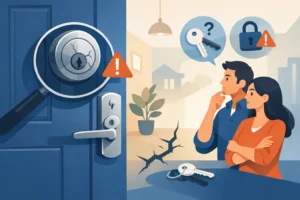
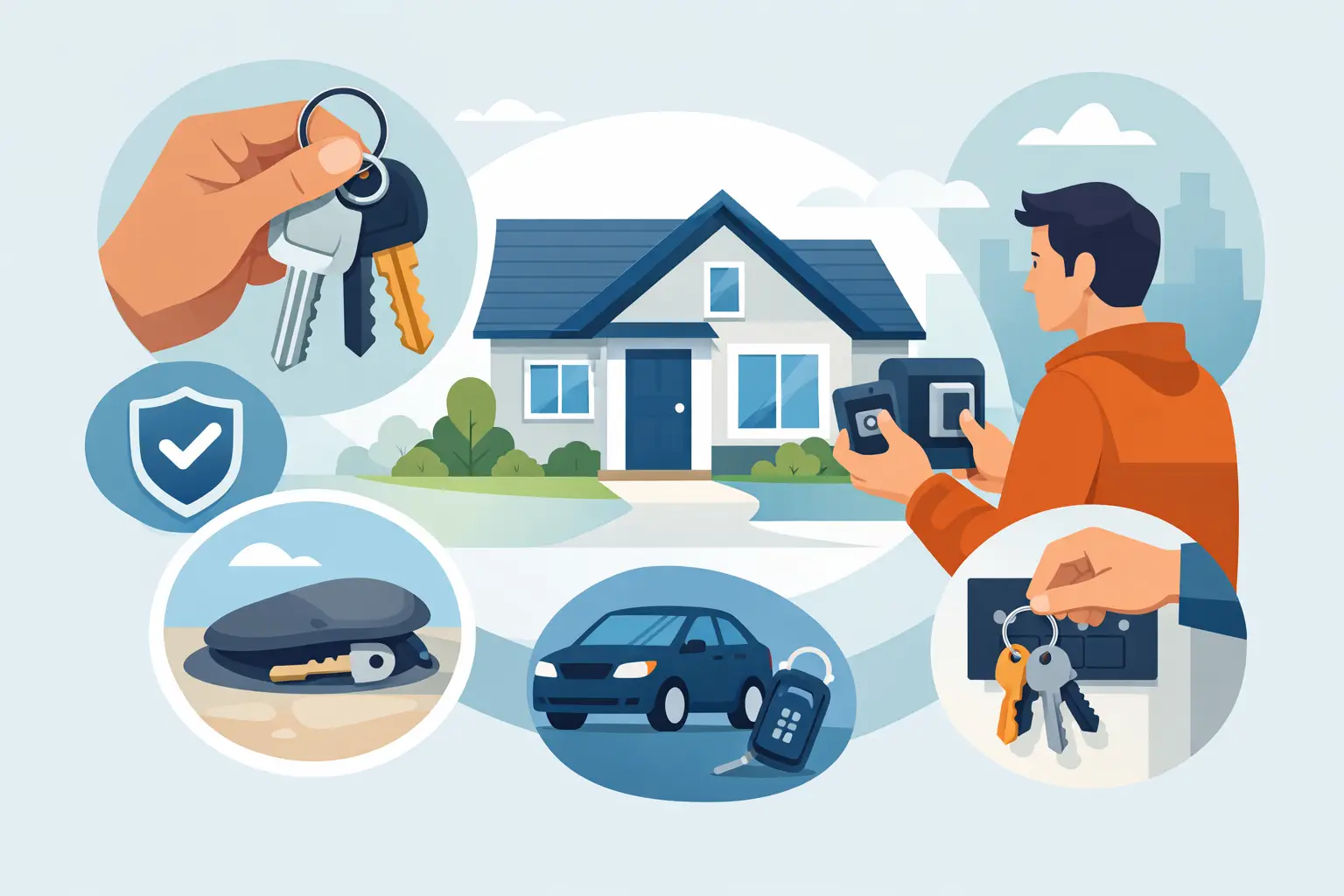

A home lockout rarely happens because someone is careless. It happens when your hands are full with groceries, a child closes the door behind you, the key breaks after years of use, or a rushed morning changes your routine. Knowing how to prevent home lockouts comes down to building a few practical backups before a small mistake becomes an after-hours emergency.
For South Florida homeowners, that planning matters even more. Heat, humidity, salt air near the coast, and heavy daily use can all affect keys, locks, and electronic access devices over time. A dependable plan protects your access without creating an easy entry point for someone else.
Build a Reliable Key Routine
The simplest prevention step is giving your house key one permanent home. Keep it on a key ring that is easy to notice and avoid placing it loose in a pocket, purse compartment, or center console where it can disappear. A larger keychain is not always convenient, but a small colored tag or distinctive fob can make a missing key easier to spot before you leave.
Create a quick departure habit: keys, phone, wallet, then lock the door. It takes only a few seconds, and repetition is what makes it reliable during busy mornings. If you use a deadbolt that can be locked from the inside without a key, make sure you are holding your keys before closing the door behind you.
Families should also decide who is responsible for carrying keys. A teenager, trusted adult child, spouse, or roommate may assume someone else has a copy. That assumption causes many lockouts. Have a clear conversation about who has access, where spare keys are kept, and what to do if a key is lost.
How to Prevent Home Lockouts With Spare Keys
A spare key is useful only if you can reach it safely when you need it. Hiding a key under a doormat, flowerpot, fake rock, or nearby grill is not a security plan. Those are the first places a thief will check.
Instead, choose one of these safer approaches:
- Leave a properly labeled spare with a nearby relative, close friend, or trusted neighbor who is usually home.
- Store a spare in a quality lockbox installed in a discreet, secure location, not in an obvious spot near the front door.
- Keep a spare key in a secure place at work or in a locked personal storage area, if that location is practical for you.
- Have a trusted property manager or building office hold a copy when you live in a managed community.
The right choice depends on your household and neighborhood. A lockbox can be convenient, but it needs a strong construction and a code that is not shared widely. Leaving a key with a neighbor works well when the relationship is dependable, but confirm that person is comfortable with the responsibility.
Do not label a spare key with your full address. If the key is lost, you do not want it to identify the house it opens. A first name, phone number, or simple code known only to your household is safer.
Replace Worn Keys Before They Fail
Keys do not last forever. A bent key, a key with worn teeth, or one that needs to be jiggled in the lock is warning you that a failure may be coming. Continuing to use it can wear down the lock cylinder or lead to a broken key stuck inside the door.
Have a fresh key made from the best original available, not from a copy of a copy. Each duplicate can lose a little precision, and that difference can eventually make the key work poorly. If your original is damaged or difficult to turn, a locksmith can evaluate both the key and the lock rather than guessing which one is causing the issue.
Avoid forcing a key. If it does not turn smoothly, stop and check whether the key is fully inserted, the door is under pressure, or the lock needs service. Forcing it can snap the key or damage internal lock parts, turning a manageable repair into a lockout.
Keep Exterior Locks Working Smoothly
Your front door lock has to work through rain, moisture, temperature swings, and constant use. Basic maintenance reduces the chance that it will bind when you are trying to get inside.
Check exterior locks a few times a year. Test the key from outside and make sure the deadbolt turns without excessive resistance. If the bolt rubs against the strike plate, the door may have shifted due to settling, weather, loose hinges, or swelling. This is common in homes with older doors and can make a lock feel defective even when the hardware itself is fine.
Use a lock lubricant made for the purpose when needed. Household oils can attract dust and grime inside the cylinder, which may create more problems later. If the lock is loose, sticky, corroded, or difficult to operate, professional repair is a better answer than waiting for it to stop working completely.
Choose Smart Access Carefully
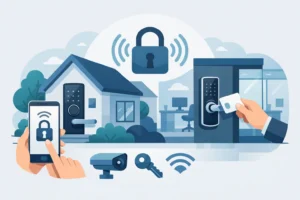
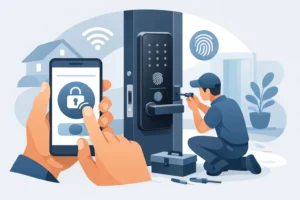
Smart locks can reduce the risk of lockouts by letting you use a keypad code, app, fingerprint reader, or backup key. They are especially helpful for households with children, guests, cleaners, dog walkers, or rental properties. You can issue temporary codes instead of passing out physical keys that may never be returned.
Still, electronic locks have trade-offs. Batteries die, Wi-Fi connections can fail, and some residents prefer a traditional key as a backup. If you install a smart lock, choose one with a physical key override or an emergency power option. Set a calendar reminder to replace batteries before they are low, and keep the backup key somewhere safe and accessible.
For some homes, a keypad deadbolt paired with a traditional keyed lock offers the best balance. For others, especially properties with valuable assets or repeated key-control issues, a high-security lock system may make more sense. The right hardware depends on the door, the household, and the level of security you need.
Plan for Kids, Guests, and Service Providers
Many lockouts involve someone who does not normally manage the home’s keys. A child may come home from school without a key, a guest may lock a handle lock by accident, or a contractor may leave through a door that automatically locks.
Give older children clear instructions for what to do if they cannot get inside. They should know a safe neighbor, a parent’s contact number, and a designated place to wait. They should not be told to hide keys outdoors or try to climb through windows.
When guests or service providers need entry, temporary keypad codes are often safer than lending a house key. Delete the code as soon as it is no longer needed. If you have given keys to former tenants, contractors, caregivers, or employees and cannot account for every copy, consider rekeying the locks. Rekeying changes which key operates the existing lock and can be more economical than replacing the entire hardware set.
Know What to Do Before You Are Locked Out
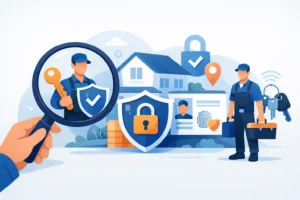
A prevention plan should include a calm response plan. Save the number of a licensed, insured, and bonded local locksmith in your phone before an emergency happens. If you are locked out, avoid damaging the door, drilling the lock, or attempting improvised entry methods. Those choices can lead to expensive repairs and may weaken your home’s security.
If you are in Broward County or nearby Miami-Dade or Palm Beach communities, General Locksmith provides 24/7 mobile residential lockout help, including weekends and holidays. Call 954-243-1381 for immediate assistance or to schedule a lock inspection, rekeying service, or security upgrade.
A few minutes spent checking your keys, testing your locks, and setting up a secure backup can spare you a stressful wait outside your own door. Make access planning part of regular home maintenance, just like checking smoke alarms or changing air filters, and your home will be easier to enter when you need it most.