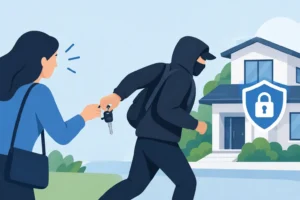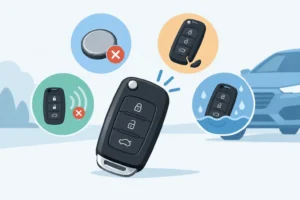
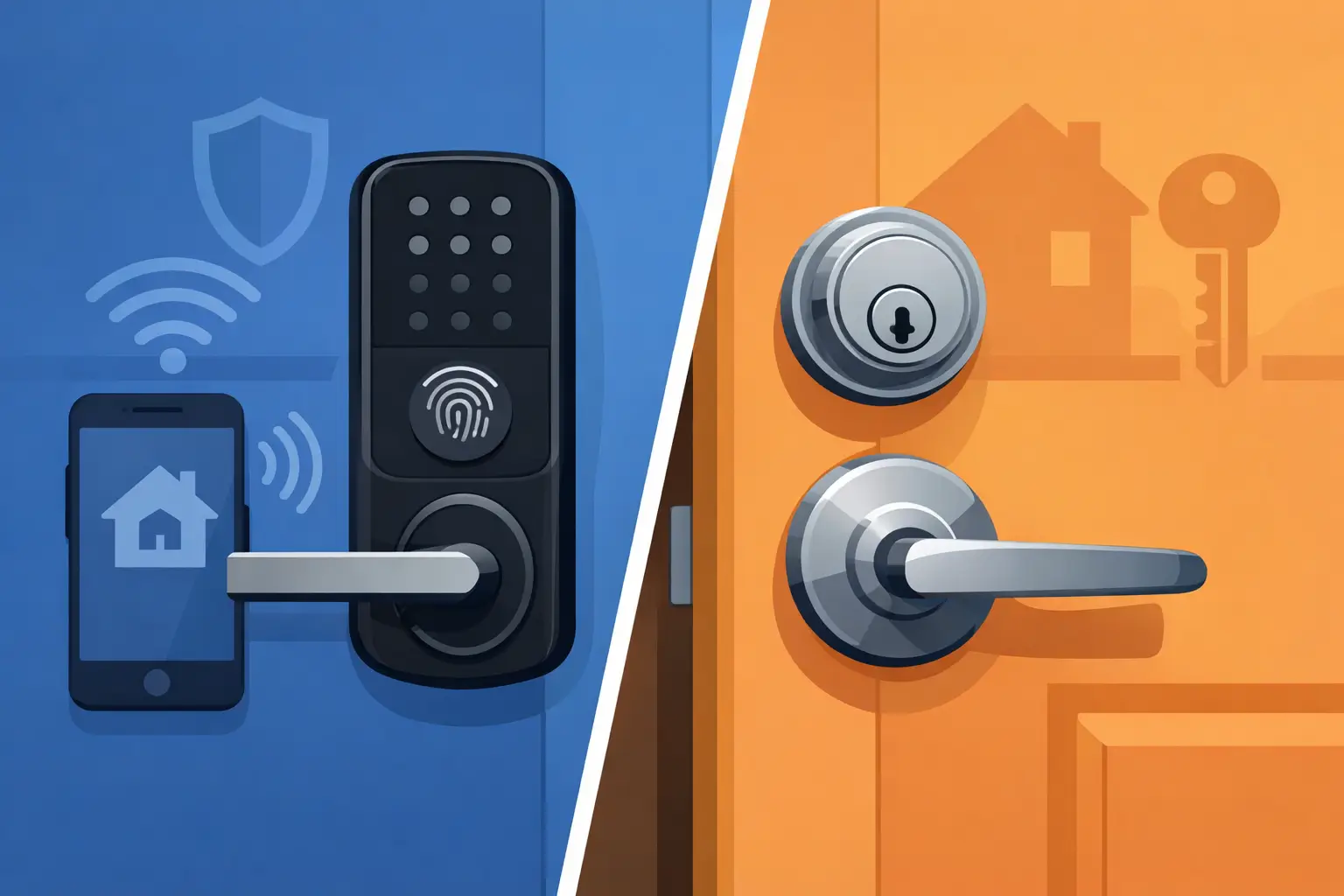

A locked front door should not become a weak point because the Wi-Fi drops, a battery dies, or a key is copied without your knowledge. When comparing smart locks versus deadbolts, the best choice comes down to how you use the door, who needs access, and how much physical protection the opening needs.
For many South Florida homes and businesses, the right answer is not an either-or decision. A quality smart lock can add convenience and access control, while a properly installed deadbolt provides the mechanical strength that helps protect the door itself. The important part is choosing compatible hardware and having it installed correctly.
Smart Locks Versus Deadbolts: The Core Difference
A traditional deadbolt is a mechanical lock. You turn a key from outside or a thumbturn from inside, moving a solid bolt into the door frame. Its job is straightforward: resist forced entry and keep the door secured when it is locked.
A smart lock uses electronics to control access. Depending on the model, you may open it with a keypad code, mobile app, fingerprint reader, key fob, or remote command. Many smart locks still include a physical keyway, while others are fully keyless.
The comparison gets confusing because a smart lock can also be a deadbolt. Some models replace an existing single-cylinder deadbolt with an electronic deadbolt. Others are smart levers intended for doors that do not need the same level of security, such as an interior office or utility room.
That distinction matters. A smart feature does not automatically make a lock physically stronger. Security depends on the lock grade, bolt construction, strike plate, screws, door material, frame condition, and installation quality.
Where Smart Locks Make Everyday Life Easier
Smart locks are built for access management. They are especially useful when several people need entry but you do not want extra keys circulating.
A homeowner can give a dog walker or house cleaner a temporary code instead of leaving a key under a mat. A property manager can change a tenant or vendor code between visits. A small business owner can create individual codes for employees and remove access immediately when someone leaves.
Many models also send activity notifications, allow scheduled access, and lock automatically after a set period. Those features can reduce common mistakes, such as forgetting to lock up after leaving for work or relying on a former employee to return a key.
For vacation properties and short-term rentals, this convenience can be significant. There is no need to meet every guest for a key handoff, and access can be adjusted without rekeying the lock after every stay.
Still, smart locks have practical limits. App control depends on the lock’s setup and, for remote functions, often depends on a working internet connection or hub. Keypads need batteries. Electronics can fail. A low-cost model with weak construction may offer plenty of features while providing little resistance to physical attack.
Why a Quality Deadbolt Still Matters
A well-installed deadbolt remains one of the most dependable security upgrades for an exterior door. It has no battery to replace, no app to configure, and no concern about software compatibility. When the key works and the bolt is in good condition, it performs its basic job consistently.
Deadbolts are also a strong choice for people who prefer simple hardware. Older homeowners, tenants who do not control a property’s network, and business owners who want fewer moving parts may find a traditional deadbolt more practical.
For a front door, side entry, garage-to-home door, or rear business entrance, look beyond appearance. A locksmith should evaluate whether the bolt reaches deeply enough into a reinforced strike plate and whether long screws anchor that plate into the wall framing. A strong lock installed in a weak frame can still fail during a forced-entry attempt.
High-security mechanical deadbolts can also offer better protection against unauthorized key duplication, picking, drilling, and other common attacks. Systems from established high-security manufacturers may be appropriate for homes with valuable property, offices with sensitive records, and commercial locations with restricted areas.
The trade-off is convenience. If you need to let someone in while you are away, a standard deadbolt usually requires a physical key or an in-person visit. Rekeying may also be necessary when keys are lost, stolen, or not returned.
Security Is More Than the Lock on the Door
The strongest option is not always the one with the longest feature list. Before choosing hardware, consider the whole entry point.
A hollow-core door, damaged jamb, loose hinges, or thin strike plate can undermine either type of lock. Exterior doors should close squarely without needing to be pushed, lifted, or pulled into position. If the bolt does not align cleanly with the strike, it may wear down faster, fail to lock reliably, or place strain on an electronic lock’s motor.
For commercial doors, code requirements and emergency exit rules may also affect the right choice. Certain doors need panic hardware, fire-rated components, or specific locking arrangements. Installing the wrong lock can create a safety issue, even if it seems secure.
A professional assessment is useful when you are upgrading a front entrance, moving into a new property, replacing damaged locks, or managing employee access. The goal is not just to fit hardware into an existing hole. It is to make sure the door, frame, lock, and access plan work together.
Battery, Weather, and Backup Access
South Florida heat, humidity, rain, and salt air can be hard on exterior hardware. Smart locks and traditional deadbolts both need products rated for exterior use and occasional maintenance. Corrosion, sticking bolts, worn weatherstripping, and door movement are common issues that should not be ignored.
Smart-lock batteries generally last months, not days, but battery life varies with usage, temperature, Wi-Fi or Bluetooth activity, and lock alignment. Most quality models provide low-battery warnings well before power runs out. Some have emergency external power contacts, and many include a mechanical key backup.
Do not wait for the lock to fail before checking the backup plan. Keep a working physical key in a secure location, confirm that authorized users know how to use the keypad, and replace batteries on a schedule. If a smart lock has no keyway, make sure you understand its emergency power procedure.
Traditional deadbolts avoid battery concerns, but keys can be lost, copied, bent, or left inside the home. If you have recently moved, changed tenants, ended a relationship, or had keys go missing, rekeying or replacing the deadbolt is a smart first step.
Which Option Is Right for Your Property?
Choose a smart lock when convenience, temporary access, and activity control are priorities. It is often a good fit for busy households, rental properties, offices with changing staff, and owners who regularly grant access to service providers.
Choose a quality mechanical deadbolt when you want simple, dependable protection with no electronic maintenance. It is a practical choice for doors where only a few trusted people need access and where physical security is the main concern.
Choose both when you want convenient access without overlooking the strength of the opening. A professionally installed smart deadbolt can offer the best balance, provided the model is built for an exterior door and the strike plate and frame are properly reinforced. In some cases, a smart lock on one door and a high-security deadbolt on another makes more sense than using the same hardware everywhere.
Avoid choosing based only on price or appearance. A bargain smart lock may have limited support and poor weather resistance. An expensive deadbolt can still be ineffective if it is installed on a deteriorated door frame. The right hardware should match the risk level, the people using it, and the condition of the door.
Get the Installation Right the First Time
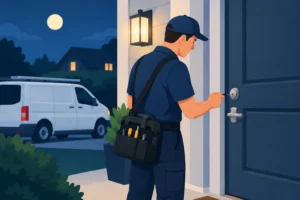
Lock installation is not a one-size-fits-all job. Door thickness, backset, handing, existing bore holes, frame alignment, and code requirements all affect the result. A lock that binds during installation may become unreliable long before its expected service life.
General Locksmith can help homeowners, property managers, and businesses select and install appropriate smart locks, traditional deadbolts, and high-security options. For urgent lockouts, damaged locks, lost keys, or a security upgrade in Broward County, Miami-Dade, or Palm Beach County, call 954-243-1381. Licensed, insured, and bonded technicians are available 24/7, including weekends and holidays.
The best lock is the one that gives you reliable control of your entry points without creating a new problem on the day you need it most. Check your doors before an emergency forces the decision.