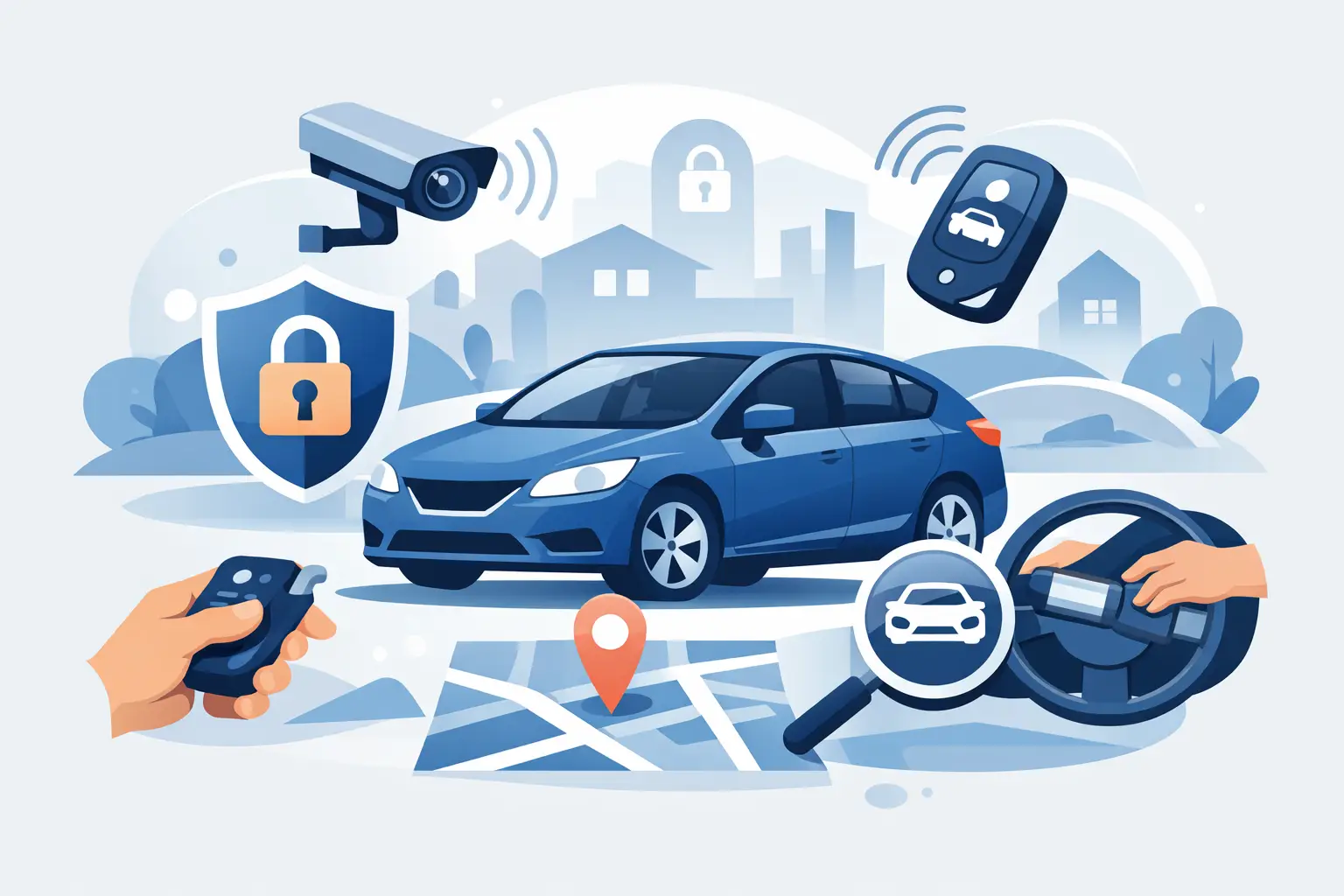

A stolen vehicle or a smashed window can turn a normal South Florida afternoon into an expensive, stressful problem fast. Effective car security is not one device or one habit. It is a layered approach that makes your vehicle less appealing, harder to enter, and harder to drive away if someone does target it.
Most thefts are crimes of opportunity. A visible bag, an unlocked door, a spare key left inside, or a weak key fob routine can give a thief exactly the opening they need. The good news is that a few practical changes can greatly reduce that opportunity without making daily driving a hassle.
Start With the Habits That Stop Easy Theft
The first line of vehicle protection is simple: lock the car every time, even when it is parked in your driveway or only a few feet away. Modern vehicles may lock automatically in some situations, but do not rely on assumptions. Press the lock button and check that the doors are secured before walking away.
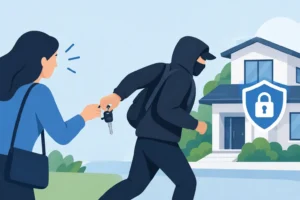
Never leave a spare key in the vehicle. Common hiding spots such as the glove box, center console, under a seat, or inside a magnetic key holder are well known. A thief who finds a usable key does not need to force the ignition or defeat the vehicle’s electronic systems.
Keep the cabin clear, too. Phone chargers, sunglasses, shopping bags, wallets, laptops, and gym bags can all signal that something valuable may be inside. Even if the item is not valuable, a thief may break a window to find out. Store belongings in the trunk before you arrive at your destination, not after you park where someone can watch.
When possible, park in a well-lit area with regular foot traffic, visible cameras, or attended parking. At home, use a garage if you have one. If you park in a driveway, motion-activated lighting and a camera directed at the vehicle can make a real difference. These measures do not make a car impossible to target, but they raise the risk of being seen.
Protect Your Key Fob and Vehicle Access
Keyless entry adds convenience, but it also changes the way drivers need to think about vehicle access. Some thieves use relay devices to capture and extend the signal from a key fob inside a home. The vehicle may read that signal as if the fob is nearby and allow entry or starting.
Keep key fobs away from exterior doors and windows. For added protection, place them in a signal-blocking pouch or container when they are not in use. This is especially worthwhile if your vehicle has passive keyless entry and is parked close to your home.
Be careful with replacement keys. If a key is lost, stolen, or remains with a former driver, do not treat it as a minor inconvenience. A professional automotive locksmith can often erase unauthorized keys from the vehicle’s memory and program new ones. This is especially important after buying a used car, ending a lease, or taking possession of a company vehicle.
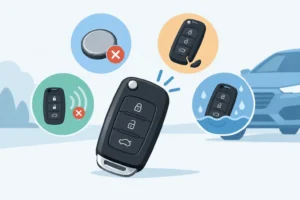
A damaged fob is another issue that should not be ignored. Intermittent buttons, a cracked case, or weak battery contacts can leave you locked out at the worst time. More importantly, unreliable remote locking can lead drivers to leave a vehicle unsecured without realizing it. Replace the battery when needed and have a failing fob inspected before it stops working completely.
Avoid risky key-sharing shortcuts
Sharing a vehicle with family members or employees is normal. Sharing loose keys without tracking who has them is not. Keep a clear record of issued keys and fobs, particularly for work vehicles. If an employee leaves or a key cannot be accounted for, reprogramming access may be the smarter choice than hoping the missing key never turns up.
Add Visible and Electronic Car Security Layers
A vehicle alarm can help, but an alarm alone is rarely enough. Many people have learned to ignore a siren in a parking lot, and a determined thief may work quickly despite the noise. The strongest setup combines visible deterrents with technology that alerts you or helps recover the vehicle.
A steering wheel lock is an old-school option that still has value because it is immediately visible. It adds time and effort to a theft attempt, which may encourage a thief to move on. It is not invincible, and it should not replace factory immobilizers or secure parking, but it is an affordable extra layer for vehicles that are frequently parked outside.
GPS tracking can be useful for recovery, especially for higher-value vehicles, fleet vehicles, or cars with theft risk in your area. Some systems provide real-time location, movement alerts, geofencing, and notifications if the vehicle is started unexpectedly. Before choosing one, consider whether it requires a monthly subscription, how it is powered, and whether its installation location is discreet.
A dash camera with parking monitoring can also support car security. It may capture a collision, vandalism, or suspicious activity near the vehicle. Parking mode can draw power from the battery, however, so choose a properly installed system with voltage protection to avoid draining the battery.
Do Not Overlook Windows, Locks, and the Ignition
A door lock that sticks, spins, or fails to respond to the key is more than an annoyance. It can leave you unable to enter the vehicle when the fob battery dies, or it may indicate wear that needs attention. Likewise, an ignition that catches, binds, or only turns after repeated attempts can become a complete no-start situation.
Address these warning signs early. Forcing a key into a worn lock or ignition can break it, turning a manageable repair into a more complicated service call. A qualified automotive locksmith can diagnose vehicle lock problems, repair or replace damaged components when appropriate, and provide properly programmed replacement keys.
Window damage deserves quick attention as well. If a break-in damages a window, door handle, lock cylinder, or weather stripping, do not leave the vehicle exposed overnight if you can avoid it. Beyond the obvious security concern, rain and humidity can damage interior electronics and upholstery. Secure the vehicle, document the damage for insurance, and arrange repair as soon as possible.
Match Your Protection to How You Use Your Car
The right security plan depends on the vehicle and its routine. A commuter who parks in a secured garage may need little more than careful key management and consistent locking. A driver who parks at airports, beaches, apartment lots, or job sites may benefit from a tracker, visible steering wheel lock, parking camera, and extra attention to valuables.
Owners of older vehicles may prioritize a steering wheel lock, alarm, or ignition security upgrade. Newer push-button-start vehicles often benefit most from fob protection, software awareness, and prompt replacement of lost keys. For work vans and trucks carrying tools, the biggest priority may be keeping equipment out of sight and using additional protection for rear or sliding doors.
There is always a trade-off between cost, convenience, and protection. The goal is not to turn every vehicle into a fortress. It is to remove easy opportunities and choose safeguards that fit your actual risk.
Know What to Do After a Lockout, Lost Key, or Break-In
Do not leave your vehicle unsecured because of a lost key, failed fob, or broken lock. Avoid improvised entry methods that can damage weather stripping, window glass, door panels, or electronic components. A professional mobile locksmith can provide vehicle lockout service, replacement keys, key fob programming, and help with many ignition or lock concerns right where you are.
After a suspected break-in or stolen key, consider whether the vehicle’s existing keys should be erased and replaced. That extra step can prevent a later theft by someone who still has access. Take photos of any damage, contact law enforcement when appropriate, and notify your insurer before repairs begin.
For fast automotive locksmith help in Broward County and surrounding South Florida communities, General Locksmith is available 24/7. Call 954-243-1381 for immediate assistance or to schedule an appointment. A secure vehicle starts with small decisions made before there is an emergency.