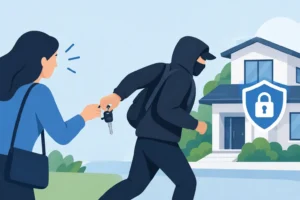
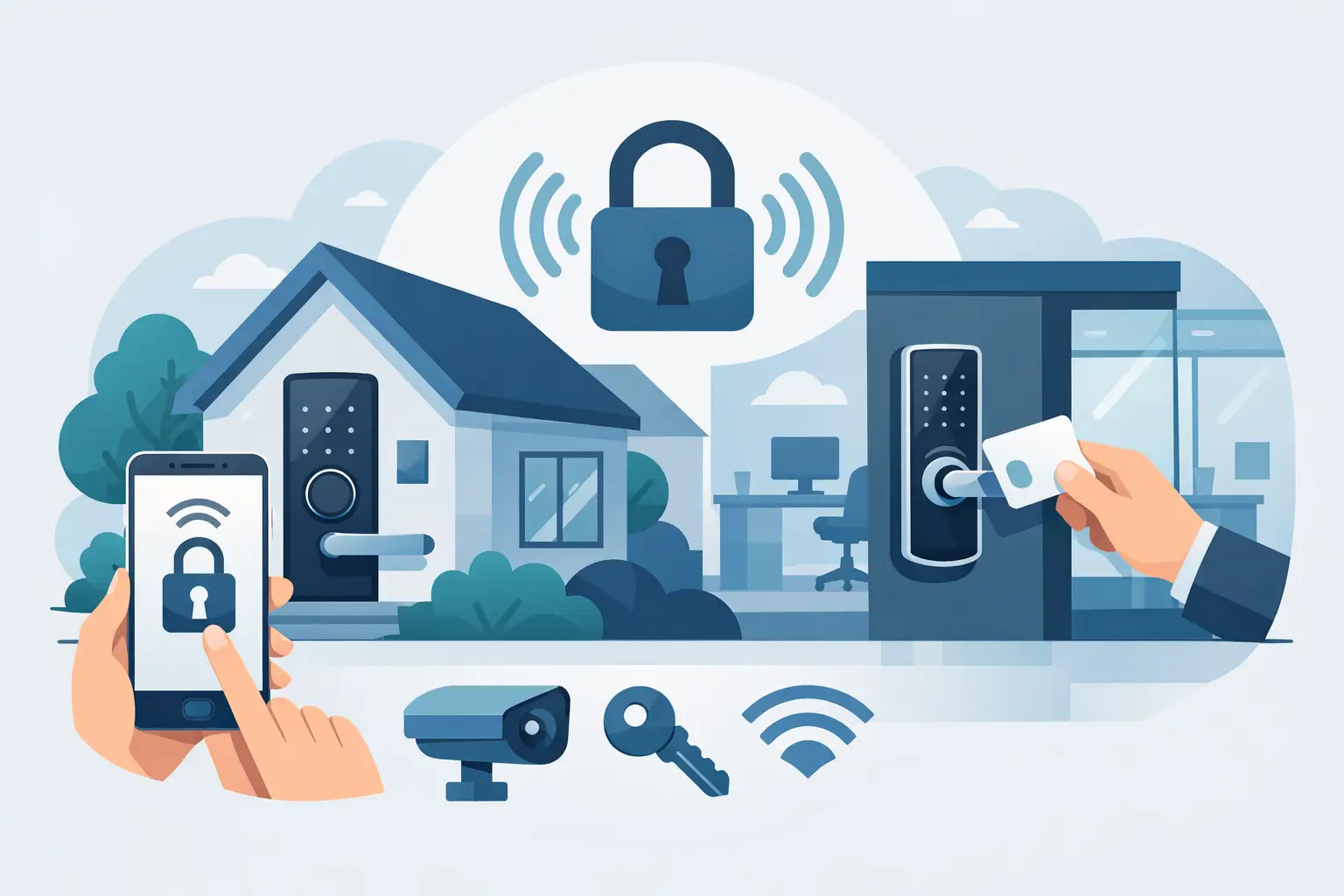

A key left under a mat, a former employee who may still have a copy, or a child arriving home before you can get there can turn ordinary access into a real security concern. Smart locks give homeowners and businesses more control over who enters and when, but the device itself is only part of the solution. The lock must fit the door, work reliably in South Florida conditions, and include a practical backup plan when batteries or internet service fail.
What Smart Locks Actually Change
Traditional locks are mechanical. They work well when quality hardware is installed correctly, but every person who needs access generally needs a physical key. Smart locks add electronic access options, which may include a keypad code, smartphone app, fingerprint reader, key fob, or remote management system.
For a homeowner, that can mean giving a dog walker a code that works only on weekday afternoons. For a property manager, it can mean changing access after a tenant moves out without collecting every key. For a small business, it can mean reviewing which employee entered through a specific door and removing access immediately when staffing changes.
The convenience is real, but smart locks are not automatically more secure than every traditional lock. A poorly installed electronic lock on a weak door or worn deadbolt does not solve the underlying problem. Security depends on the entire opening: the lock, strike plate, door frame, hinges, glass nearby, access rules, and the people using it.
Choosing Smart Locks for the Right Door
The best option depends on how the door is used. A front door at a single-family home has different demands than a busy office entrance, a rental property, or a side gate exposed to rain and salt air.
Residential front doors
Most homeowners benefit from a keypad deadbolt with a physical key override. Keypad access is simple for family members, guests, and service providers, while the key cylinder provides a fallback if the electronics stop working. Look for a model with auto-lock settings you can control, but use that feature thoughtfully. Auto-locking can be helpful after everyone leaves, yet frustrating if someone is frequently carrying groceries, managing children, or stepping outside briefly.
Wi-Fi-enabled models allow remote access and alerts, but they typically use more battery power than Bluetooth-only options. If you want to check lock status while traveling or create codes from anywhere, Wi-Fi may be worth the extra maintenance. If your main goal is replacing spare keys with family codes, a basic keypad lock may be the more reliable and cost-effective choice.
Rental homes and managed properties
For rentals, temporary codes are often the strongest reason to choose smart locks. A code can be created for a new tenant, contractor, cleaner, or showing and removed when it is no longer needed. That reduces the hassle of rekeying between every access change, though physical rekeying may still be appropriate after a lost key, break-in, or major turnover.
Property owners should avoid sharing one universal code. Give each resident or vendor a separate code whenever possible. If there is an access issue, you can identify and remove a specific credential instead of disrupting everyone.
Offices and commercial spaces
A busy commercial door needs hardware designed for traffic, not simply a residential keypad placed on an office entrance. Business owners should consider door material, fire rating requirements, the number of users, whether the door is used after hours, and how access needs to be tracked.
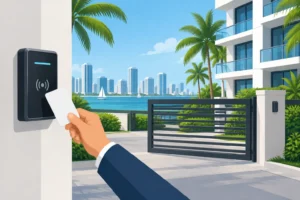
For a small office with a few employees, a commercial-grade keypad lock may be enough. For larger operations, restricted areas, or locations with frequent staffing changes, an access control system may be a better fit. These systems can support individual credentials, scheduled access, audit records, and multiple doors. A professional locksmith can help determine whether a smart lock is sufficient or whether the property needs a more complete commercial security plan.
Security Features That Matter More Than Marketing
Not every feature on the box protects your property. Start with the lock type. A quality deadbolt is generally a better choice for an exterior swinging door than a handle lock alone. The lock should be compatible with your door thickness, backset, and existing hardware, and the deadbolt should extend properly into a reinforced strike plate.
For connected locks, account security matters just as much as physical hardware. Use a unique password for the lock app, turn on two-factor authentication when available, and remove former users promptly. Do not give every household member or employee administrator-level access. Most people only need a code or standard user permission.
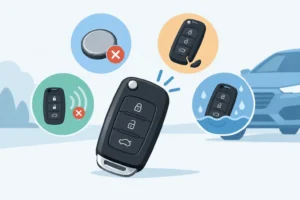
Battery alerts are another useful feature, but do not wait for the first warning to take action. Keep the recommended replacement batteries on hand and test the lock after changing them. Rechargeable batteries may sound convenient, but many manufacturers specifically recommend high-quality alkaline batteries for consistent performance.
A physical key override can be valuable, especially for a primary entry door. However, the cylinder should be protected from common forced-entry methods. Depending on the property and risk level, a locksmith may recommend higher-security hardware from trusted brands such as Medeco, Mul-T-Lock, or Primus rather than relying on the electronic features alone.
Installation Can Make or Break a Smart Lock
Smart lock installation is often advertised as a quick DIY project. In some homes, it is. If the existing deadbolt is properly aligned, the door closes smoothly, and the new lock matches the door preparation, installation can be straightforward.
But many lock problems begin with door alignment, not electronics. If you have to push, pull, lift, or shoulder the door to lock it, the deadbolt is binding against the strike plate. That puts extra strain on the motor inside a smart lock, drains batteries faster, and can lead to lockouts. The issue may be a sagging door, loose hinges, a misaligned frame, or an incorrectly positioned strike.
South Florida weather can add another layer. Heat, humidity, heavy rain, and exposure near the coast can affect exterior hardware over time. Choose locks rated for outdoor use, inspect weatherstripping, and make sure the door frame remains solid. For exterior gates, pool areas, or doors exposed directly to the elements, product selection and installation details matter even more.
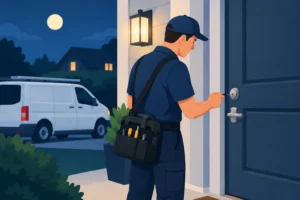
A professional installation is especially wise for commercial doors, high-security hardware, metal doors, doors with existing damage, or any entry where a failed lock would disrupt business operations. The goal is not just to mount a device. It is to make sure the door locks securely, releases correctly, and gives authorized people dependable access.
Do Not Skip the Backup Plan
Every smart lock owner should know exactly how to enter if the phone is dead, the app is unavailable, the battery runs low, or the Wi-Fi goes down. The answer varies by model. Some locks use a physical key, some accept a temporary external battery connection, and some allow keypad entry even when remote features are offline.
Before relying on a new lock, test these situations while you are safely inside or have another way to get in. Make sure trusted household members, managers, or employees understand the backup method too. A smart lock should reduce access problems, not create confusion during an urgent moment.
For businesses, document who has administrative control of the system. Avoid putting access under a former employee’s personal email account or personal phone. Use a business-controlled account, keep recovery information current, and have at least two authorized administrators.
When a Smart Lock Is Not the Whole Answer
A smart lock is a strong convenience and access-management tool, but it cannot compensate for a weak entry point. If a door has a flimsy frame, short strike screws, damaged hinges, or a low-grade lock cylinder, address those issues first. The same applies when a property has multiple uncontrolled keys in circulation.
Sometimes rekeying, installing a higher-security deadbolt, reinforcing the strike plate, or upgrading a commercial door closer will make a larger security difference than adding an app. In other cases, combining physical security upgrades with smart access gives you the best result: stronger resistance at the door and better control over daily entry.
If your home, rental, or business needs a smart lock that works with the door you already have, General Locksmith can help assess the hardware, install it correctly, and address the security gaps around it. For fast locksmith assistance in Broward County, Miami-Dade, or Palm Beach County, call 954-243-1381. Choose access technology that your family, staff, and property can depend on when it matters most.