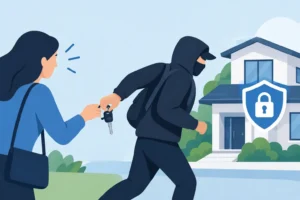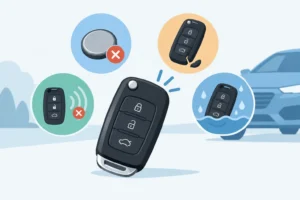
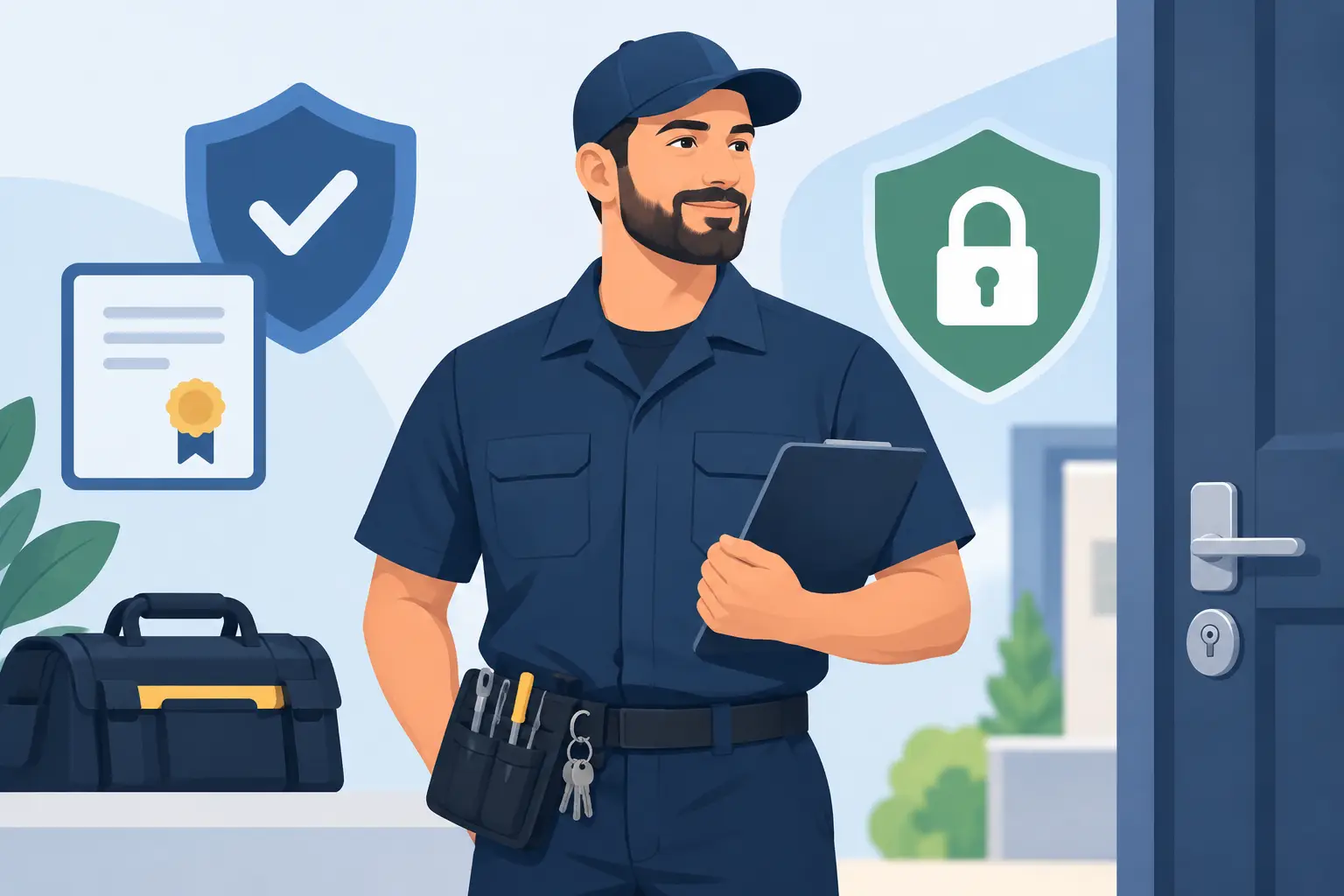

A lockout can make anyone vulnerable to a rushed decision. Your keys may be sitting on the front seat, your office may not open, or a damaged lock may leave your home exposed after hours. That is when customers ask the right question: are locksmiths licensed and insured? The short answer is that reputable locksmith companies should be able to clearly explain their credentials and insurance, but the exact licensing rules depend on where the work is performed.
For homeowners, drivers, and business owners, the goal is not to memorize regulations. It is to know how to spot a legitimate professional before you hand over access to your home, vehicle, or business.
Are Locksmiths Licensed and Insured in Every State?
There is no single nationwide locksmith license that applies everywhere in the United States. Licensing requirements vary by state, county, and city. In some locations, locksmiths need a specific occupational license or registration. In others, a company may be required to hold a local business license, meet municipal requirements, or register to operate within a particular jurisdiction.
That distinction matters. A technician can be skilled and legally operating while the documentation is called a business license, registration, or permit rather than a statewide locksmith license. In South Florida, requirements can differ between local jurisdictions, so it is reasonable to ask a company what licenses or registrations apply to the job location.
Insurance is a separate issue. A professional locksmith business should carry liability insurance to help protect customers if accidental property damage occurs during service. This could apply if a lock, door frame, vehicle component, or other property is damaged while work is being performed. Coverage details vary, so insurance does not mean every possible issue is automatically covered. It does mean the company is operating with a meaningful layer of accountability.
Why Credentials Matter When You Need Fast Help
Locksmith work involves more than opening a door. A technician may handle house keys, vehicle keys, master-key systems, alarm-adjacent hardware, safes, access control components, and high-security locks. They are being trusted with access to places and property that need protection.
Credentials and insurance are not just marketing language. They show that a company treats this responsibility seriously. A legitimate business should be easy to identify, willing to provide company information, and prepared to explain what it will do before work begins.
This is especially important in an emergency. Unverified operators often depend on urgency. They may quote an unrealistically low price, arrive in an unmarked vehicle, avoid giving a clear business name, or pressure you to approve expensive drilling or lock replacement without first trying appropriate non-destructive methods.
A qualified locksmith will assess the situation, verify that you have authority to access the property or vehicle, explain the available options, and discuss pricing before proceeding whenever conditions allow. Sometimes drilling or replacement is necessary, particularly with failed or high-security hardware. But it should be an informed decision, not a surprise.
What to Ask Before Hiring a Locksmith
You do not need a long interview while standing outside in the rain. A few direct questions can help you make a safer choice. Ask the dispatcher or technician for the company name, whether the business is licensed or registered for your area, and whether it carries liability insurance.
For a non-emergency appointment, you can also ask for proof of insurance or confirmation of the policy information. A professional company should not become defensive about reasonable verification. If you are calling for a commercial property, your manager, landlord, or property management company may have additional vendor requirements, such as a certificate of insurance.
Before authorizing the work, make sure you understand these four points:
- The service call or dispatch fee and whether it is included in the final price.
- The expected price range for the specific service, such as a lockout, rekey, key replacement, or lock installation.
- Whether the technician expects to repair, pick, rekey, replace, or drill the lock.
- Any added cost for parts, programming, high-security keys, or after-hours work.
Written estimates are useful when the work is more involved than a simple lockout. For example, a business upgrading several doors to restricted-keyway or high-security hardware should receive a clear scope of work. The same applies when replacing damaged commercial hardware, changing locks after employee turnover, or programming vehicle keys.
Licensed, Insured, and Bonded Are Not the Same Thing
These terms are frequently grouped together, but they describe different protections.
Licensing or registration relates to authorization to operate under the rules that apply in a given area. It can also involve background checks or other requirements, depending on the jurisdiction. Insurance generally protects against certain accidental losses or damage associated with business operations.
Bonding is different again. A bond can provide a limited financial remedy in specific situations, often related to dishonest conduct or failure to meet an obligation. It is not a replacement for liability insurance, and it does not guarantee workmanship or cover every loss.
The strongest signal is not a company simply using all three words in an advertisement. It is a company that can explain what each credential means, provide accurate business information, and stand behind its work. General Locksmith operates with licensed, insured, and bonded technicians because customers deserve that level of protection when they need help at a home, business, or vehicle.
How to Recognize a Professional Locksmith at Your Door
The call itself often tells you a great deal. A trustworthy dispatcher should answer with a recognizable business name and ask enough questions to understand the service you need. For vehicle or property access, expect to be asked for identification and proof that you are authorized to enter. That may feel inconvenient during a lockout, but it is a security measure that protects everyone.
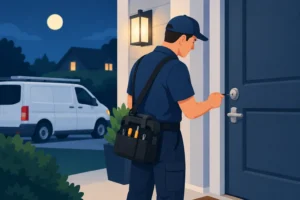
When the technician arrives, look for a clear professional presence. A marked vehicle and company identification can be helpful, although vehicle markings alone do not prove licensing or insurance. What matters most is whether the technician communicates clearly, confirms the work requested, and gives you an understandable price before beginning.
Be cautious if a locksmith refuses to provide a business name, cannot explain pricing, insists that every lock must be drilled, or changes the quoted price dramatically after arriving. A price can change when the actual condition differs from the description, such as a broken lock or specialized vehicle key system. In that case, the technician should explain why the price changed and get approval before moving forward.
Extra Care for Homes, Cars, and Commercial Properties
The right locksmith service depends on what is at stake. A homeowner who has lost a key may need a rekey rather than a full lock replacement. Rekeying changes the lock so the old key no longer works, often at a lower cost than replacing quality hardware.
Drivers may need a replacement key, transponder programming, ignition repair, or a non-destructive vehicle entry. Modern car keys can require specialized diagnostic equipment, so the lowest quote is not always the best value if the provider cannot properly program or test the key.
For a business, credentials matter alongside capability. Commercial clients may need master-key systems, panic hardware, restricted keys, access solutions, or higher-security locks from brands such as Medeco, Mul-T-Lock, or Primus. The best provider will discuss how the hardware fits your daily operations, emergency exits, employee access, and budget rather than selling the most expensive option by default.
If you need immediate locksmith help in Broward County or nearby Miami-Dade and Palm Beach communities, call General Locksmith at 954-243-1381. Ask your questions, request clear pricing, and choose a technician who treats your security like it matters. A careful choice now can protect your property long after the immediate lockout is over.