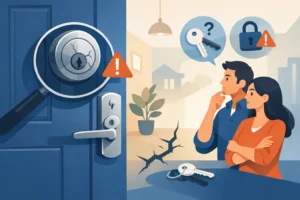

A jammed storefront door at opening time, an employee who never returned a key, or a damaged lock after a break-in can stop business without warning. A dependable commercial locksmith Fort Lauderdale business owners can call at any hour helps restore access quickly while protecting the property, staff, inventory, and customers inside.
Commercial security is not just about replacing a lock when it fails. It is about knowing who has access, keeping vulnerable entry points protected, and choosing hardware that makes sense for how your business operates. A retail shop has different needs than a medical office, warehouse, restaurant, apartment building, or professional suite.
When to Call a Commercial Locksmith in Fort Lauderdale
Some locksmith problems are immediate. If you are locked out of your office, a key breaks inside the lock, a door will not secure after closing, or an attempted break-in damages the entry hardware, waiting until morning can create a serious security issue. A mobile locksmith can come to the location, assess the problem, and work to get the door operating and secured again.
Other calls are preventive, but no less valuable. If a manager leaves, a tenant moves out, or keys have been passed around for years, rekeying should be high on the priority list. Rekeying changes the lock’s internal pins so old keys no longer work. It is often more cost-effective than replacing every lock, provided the existing hardware is in good working condition and still meets the security level you need.
Business owners should also call when a lock starts sticking, a lever handle feels loose, a panic bar does not latch consistently, or a closer lets the door slam or remain open. These small issues can turn into lockouts, safety concerns, or an entry point that does not properly secure overnight.
The Right Security Depends on the Building
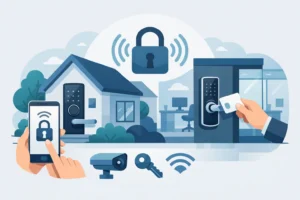
There is no single commercial lock setup that fits every property. The best choice depends on the door material, traffic volume, valuable assets inside, employee access needs, insurance requirements, and the building’s existing hardware.
A small office may need quality commercial-grade levers, properly installed deadbolts, and a controlled key system. A busy retail business may benefit from a heavy-duty storefront lock, door closer adjustment, and reinforced hardware that holds up to frequent use. A warehouse or storage facility may need higher-security cylinders and restricted keys to reduce the chance of unauthorized duplication.
Higher-security products from brands such as Medeco, Mul-T-Lock, and Primus can be a smart fit when key control is a concern. These systems are designed to make unauthorized key duplication more difficult and offer stronger resistance against common forced-entry methods. They cost more than standard hardware, so they are not necessary for every door. But for businesses with sensitive records, expensive tools, controlled inventory, or frequent staff turnover, the added control can be worth it.
Rekeying vs. Replacing Commercial Locks
Rekeying is usually the right move after a staffing change, lost keys, or a tenant transition when the lock hardware is otherwise reliable. It gives you a fresh set of working keys without the cost of replacing the full lock.
Replacement makes more sense when locks are worn, damaged, outdated, or no longer suitable for the level of security required. A technician may also recommend replacement if several doors use mismatched keys and hardware. Creating a cleaner, organized key system can reduce confusion for staff and make future service easier.
If your business has multiple exterior doors, storage rooms, offices, and restricted areas, ask about master key systems. A well-designed system can allow designated staff to use one key while limiting access to specific rooms for others. The benefit is convenience. The trade-off is that the system needs careful planning, clear key accountability, and a trusted process for issuing and recovering keys.
Emergency Service Is About More Than Getting Back In
After-hours lockouts are stressful, especially when payroll records, medication, equipment, or cash drawers are inside. The right response is not simply opening the door. A professional locksmith should inspect the lock and door afterward to determine why the issue happened and whether the property can secure properly when you leave.
For example, a business may be locked out because a key was damaged, the cylinder failed, a door shifted out of alignment, or a panic device malfunctioned. Opening the door gets operations moving again, but the underlying cause should be addressed so the same problem does not happen during the next shift.
Following a break-in or attempted break-in, speed matters. Damaged locks, bent door frames, compromised cylinders, and broken glass-adjacent hardware should be evaluated as soon as possible. Temporary measures may be appropriate in some cases, but a lasting repair should restore reliable locking and prevent the door from becoming an easy target again.
Four Questions to Ask Before Approving Service
When your business needs locksmith work, clear answers protect your budget and your property. Before service begins, ask these questions:
- Is the technician licensed, insured, and bonded?
- Will rekeying solve the problem, or does the hardware need replacement?
- What level of key control does this lock system provide?
- Is there an added charge for nights, weekends, or holidays?
A trustworthy provider should explain the options in plain language. The lowest upfront price is not always the best value if the hardware is poorly matched to the door, installed incorrectly, or easy to bypass. At the same time, not every business needs the most expensive high-security product. The recommendation should fit the actual risk and daily use of the property.
Reduce Lockouts and Security Gaps Before They Cost You
Most commercial lock problems give some warning. Build a simple routine around your doors and keys. Check exterior locks regularly, especially on doors exposed to rain, salt air, and heavy foot traffic. Make sure doors latch fully without being forced. Train closing staff to confirm that every exterior entry is secure before leaving.
Keep a current record of who has keys, including managers, contractors, cleaners, and former employees. Retrieve keys promptly when someone leaves. If you cannot account for them, rekeying is often the safer decision. Avoid hiding spare keys outside the building, where they can be found by the wrong person.
It also helps to review access after a move, renovation, management change, or security incident. Those are the moments when a property’s lock setup is most likely to reveal gaps. A commercial locksmith can identify weak hardware, inconsistent keying, worn cylinders, and doors that are not closing as they should.
Fast Help for Fort Lauderdale Businesses
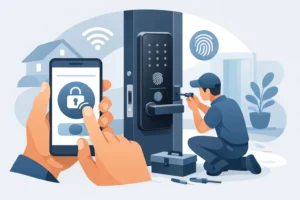
A business lock problem does not wait for a convenient time. Whether you need urgent lockout help, a rekey after employee turnover, repair after damage, or a practical security upgrade, the goal is the same: get your operation protected without unnecessary delay.
General Locksmith provides mobile commercial service throughout Fort Lauderdale and Broward County, with 24/7 availability and no extra charges for weekends or holidays. Call 954-243-1381 for immediate help or to schedule commercial locksmith service. The best time to address a weak lock, missing key, or unreliable door is before it becomes the reason your business cannot open tomorrow.