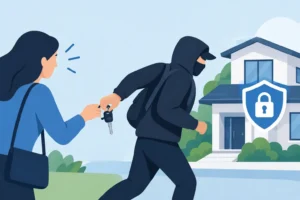
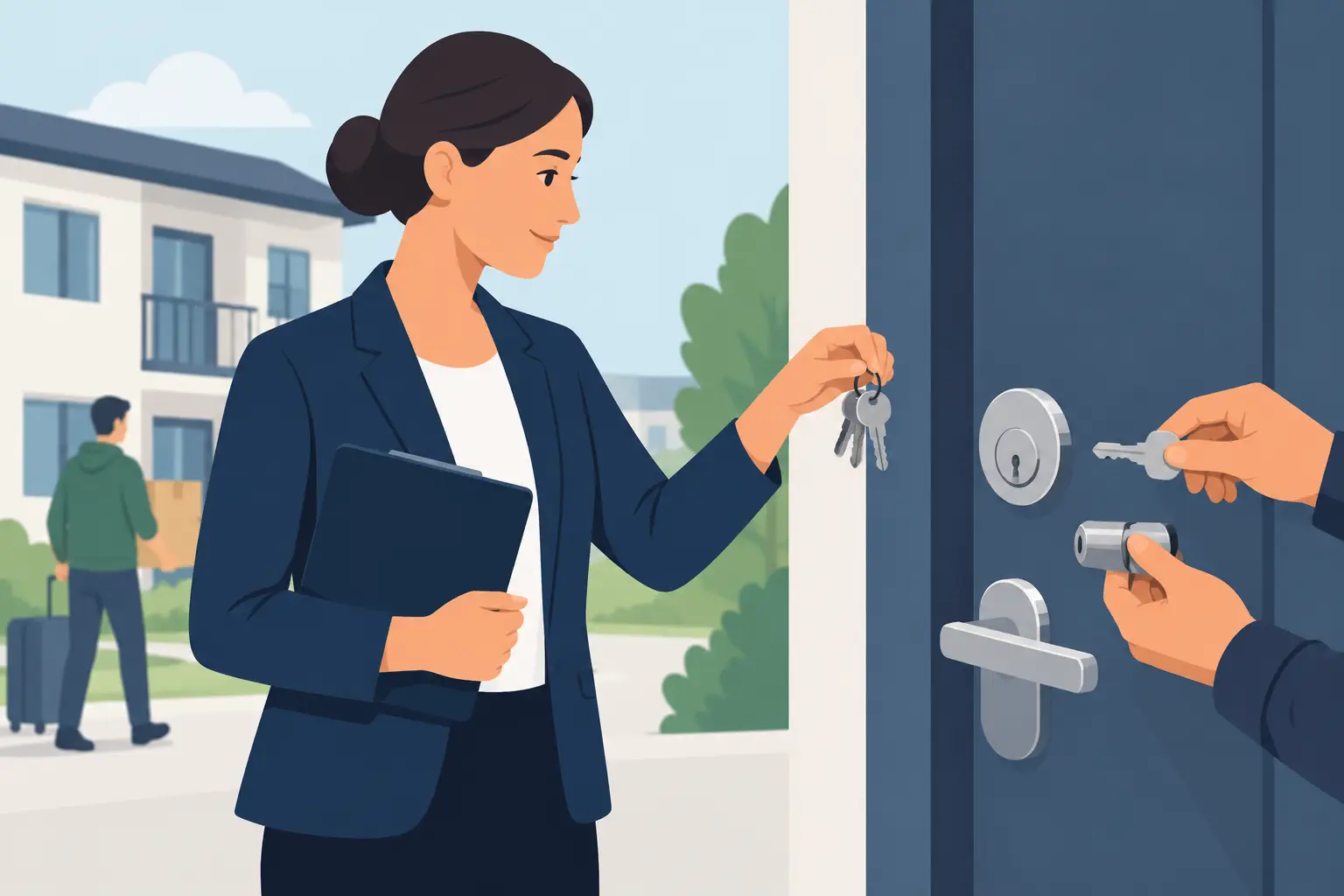

A tenant hands over the keys, but that does not mean they are the only keys in circulation. Copies may be with relatives, former roommates, dog walkers, cleaners, vendors, or anyone who had temporary access during the lease. Property manager rekeying closes that gap quickly, giving the next resident a lock that responds only to a new key.
For a property manager, this is not just a maintenance task at the end of a turnover. It is a practical security control, a liability-reduction step, and a clear signal to incoming tenants that their home is being protected. When turnovers are moving fast, a reliable locksmith can help keep security from becoming the detail that gets missed.
Why rekeying matters at every turnover
Rekeying changes the internal configuration of an existing lock cylinder so old keys no longer work. In many cases, the exterior hardware stays in place, which makes it faster and less expensive than replacing every lock. The new tenant receives a fresh set of keys, and the property starts a new access record.
The core reason is simple: you cannot account for every copy of a prior key. Even a responsible tenant may have made a duplicate years earlier and forgotten about it. If a former resident, guest, or contractor later enters the unit with an old key, the consequences can include tenant complaints, property loss, safety concerns, and a difficult question about whether the property took reasonable precautions.
A consistent rekeying policy also makes operations cleaner. Instead of guessing which keys are still active, your team knows that each turnover creates a new key system. That matters for single-family rentals, apartment communities, condo units, commercial suites, and rental homes with detached garages or storage areas.
Rekey or replace the lock?
Rekeying is usually the right answer when the existing lock is in good condition, compatible with standard rekeying procedures, and appropriate for the level of security the property needs. It preserves usable hardware while stopping old keys from operating the door.
Replacement is a better choice when the lock is worn, damaged, sticking, loose, corroded, or visibly compromised. A lock that has been forced, has a broken latch, or has a key that repeatedly jams should not be treated as a routine rekey job. Rekeying the cylinder will not correct failing hardware.
Replacement can also make sense when you are standardizing locks across multiple units, upgrading from basic hardware, or addressing a repeated unauthorized-key issue. Higher-security options such as Medeco, Mul-T-Lock, and Primus can offer stronger key control because keys are harder to duplicate without authorization. They cost more upfront, so the right choice depends on the property type, risk level, budget, and who needs access.
For many rental properties, the best approach is mixed: rekey sound locks during normal turnovers, then schedule replacement or upgrades for damaged doors, vulnerable exterior entries, and high-risk common areas.
What a complete turnover rekey should cover
The front door is the obvious starting point, but it should not be the only item on the work order. A complete property manager rekeying plan considers every point where a prior resident may have had a key.
That often includes the main entry door, deadbolt, garage entry, rear or patio door, gate access, mailbox, storage closet, utility room, shed, and any separate unit door. In apartment or condominium settings, managers should also consider whether the resident had keys or fobs for shared amenities, package rooms, laundry rooms, pool gates, elevators, or parking access.
Do not assume all doors use the same key. Some properties have been altered over time, and a previous owner or maintenance technician may have installed mismatched hardware. During the first turnover after taking over a property, it is smart to identify each lock and document which doors are keyed alike, which are separate, and which should be changed.
Do not overlook electronic access
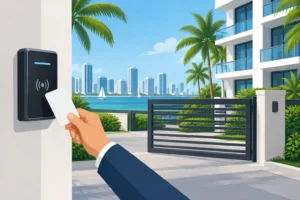
If the property uses smart locks, keypad locks, fobs, or access cards, the same principle applies: remove old access before new residents move in. Delete former user codes, revoke app permissions, deactivate fobs, and confirm that the management account controls the system.
Smart locks can simplify turnover access, especially when maintenance crews and cleaners need temporary entry. But they only improve security when codes and permissions are managed consistently. A keypad code that remains active after a move-out creates the same problem as an uncollected metal key.
Timing: when should a property be rekeyed?
The best time is immediately after possession changes and before a new tenant receives keys. Ideally, the locksmith work is scheduled as part of the turnover calendar, alongside cleaning, repairs, painting, and final inspection. That prevents a rushed handoff on move-in day.
Rekeying should also be considered after an eviction, a lost or stolen key report, a lockout that required drilling or forced entry, a breakup or domestic dispute that raises access concerns, or a contractor relationship that ends without a clear return of keys. The circumstances determine urgency. If there is any reason to believe an unauthorized person may attempt to enter, do not wait for the next routine maintenance visit.
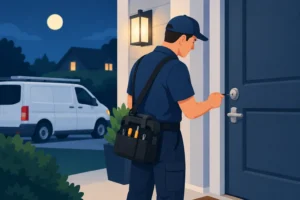
A 24/7 mobile locksmith is especially useful when a turnover runs late, a new resident arrives after hours, or a security issue surfaces on a weekend or holiday. The goal is not merely to get a door working. It is to restore controlled access without leaving the unit exposed overnight.
Build a key-control process that your staff can follow
Rekeying works best when it is part of a larger access-control procedure. Keep a record of the date, unit or property address, locks serviced, keyway or key code where applicable, number of keys issued, and the person who received them. Store that information securely and limit access to employees who genuinely need it.
Avoid marking keys with a full property address or unit number. If keys are lost, that label makes them more useful to the wrong person. A coded tag system is safer, provided your internal records are protected.
It also helps to set a clear policy for staff, vendors, and residents. Maintenance personnel should know whether they receive a master key, a temporary key, or a key checked out for a specific work order. Vendors should not retain keys by default. Residents should be told how many keys they receive, whether additional copies require approval, and what happens if keys are lost.
For larger properties, master-key systems can reduce the number of keys staff carry. They also require careful planning. A poorly managed master system can create a larger security problem if one key is misplaced, so it should be designed and serviced by an experienced locksmith rather than assembled piece by piece over time.
Choosing a locksmith for rental property work
Turnovers have deadlines. The locksmith you choose should be able to confirm the scope of work, arrive with the needed key blanks and hardware, communicate clearly with your team, and provide documentation after service. Licensed, insured, and bonded technicians offer another layer of confidence when they are working on occupied or soon-to-be-occupied properties.
Ask whether the locksmith can handle more than a basic front-door rekey. A dependable partner should be able to inspect lock condition, repair or replace failed hardware, address mailbox and gate locks, provide duplicate keys where appropriate, and recommend high-security solutions when standard hardware is not enough.
Price matters, but the lowest quote is not always the lowest cost. A missed lock, poor installation, weak replacement hardware, or an unplanned return visit can delay occupancy and create avoidable risk. Request clear pricing before work begins, particularly if the job may involve damaged locks, multiple access points, or after-hours service.
Keep turnover security from becoming an emergency
The easiest rekey is the one scheduled before the keys change hands. Add it to every move-out checklist, inspect all access points during the final walk-through, and document the new key issuance before move-in. That routine protects the incoming resident and gives your team a defensible, repeatable process.
When a lock is damaged, a key is missing, or a move-in cannot wait, fast help matters. General Locksmith provides mobile, 24/7 locksmith support for property managers across Broward County and nearby South Florida communities. Call 954-243-1381 to schedule rekeying or get immediate assistance when property access needs to be secured.