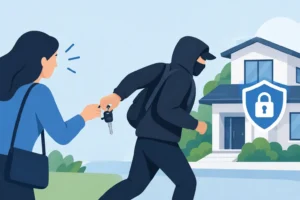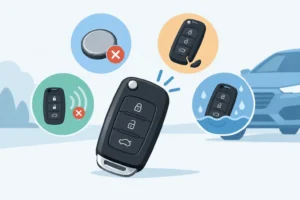

You get home, look at the lock, and realize the question is no longer theoretical. Maybe a tenant moved out, a contractor never returned a key, or your front door hardware is sticking. When you need to decide whether to rekey or replace locks, the right answer usually comes down to one thing – what problem are you actually trying to solve?
Rekeying and replacing are often treated like the same service, but they solve different issues. One changes who can use the lock you already have. The other changes the hardware itself. If your goal is fast control over existing keys, rekeying is often the smarter move. If your goal is better security, smoother operation, or a fresh hardware upgrade, replacement may be the better investment.
Rekey or replace locks: what is the difference?
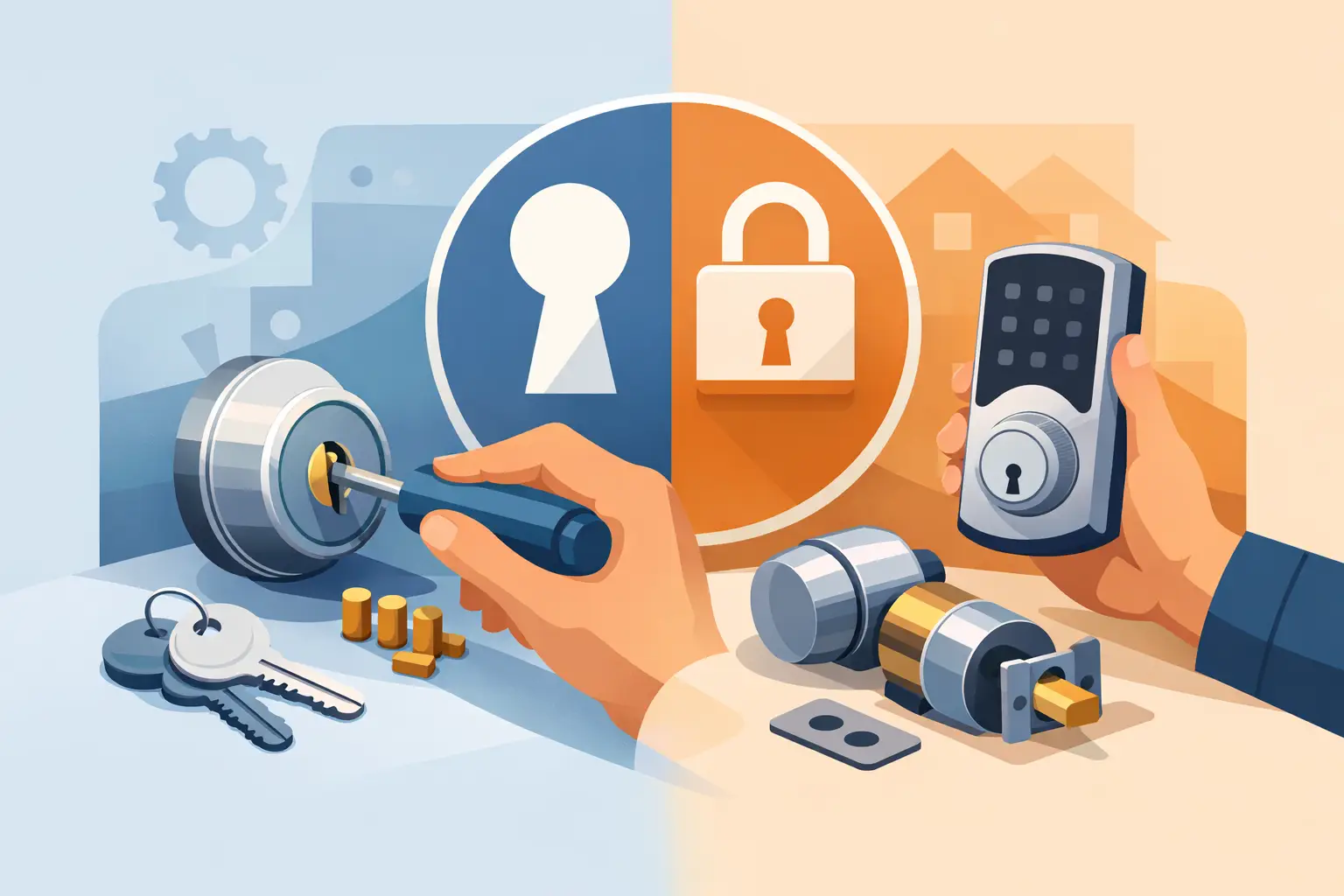
Rekeying means changing the internal pins of a lock so old keys stop working and a new key is required. The lock body stays in place. From the outside, nothing may look different, but access control changes immediately.
Replacing a lock means removing the existing hardware and installing a new lock. That could be a similar model, a stronger grade of hardware, a smart lock, or a high-security option such as Medeco, Mul-T-Lock, or Primus. Replacement changes both access and the physical lock itself.
That distinction matters because not every lock problem is a security problem, and not every security problem requires new hardware. A lost key after a move-out is very different from a corroded deadbolt that barely turns in the South Florida humidity.
When rekeying makes the most sense
Rekeying is often the fastest, most cost-effective option when the hardware is still in good condition. If you recently moved into a home, bought a condo, changed tenants, or had keys go missing, rekeying restores control without paying for all-new locks.
It is also a strong option when you want convenience. Many homes and small businesses have multiple doors with different keys. In many cases, a locksmith can rekey compatible locks to work on one key, which makes day-to-day access much easier.
For rental property owners and property managers, rekeying is often the practical middle ground. It is typically less expensive than full replacement, faster to complete, and it addresses the immediate risk that previous occupants or vendors may still have copies.
That said, rekeying has limits. If the lock is worn out, damaged, poor quality, or no longer meets your security needs, changing the pins will not fix those bigger issues.
Good reasons to rekey
Rekeying is usually the better choice if your keys were lost or not returned, you moved into a new property, you want one key for several doors, or the lock itself still works well and offers an acceptable level of security.
If your concern is, “Who might still have a key?” rekeying often answers that question quickly.
When replacing locks is the better call
Replacement makes sense when the hardware itself is the problem. If a lock is sticking, rusted, loose, outdated, or visibly damaged, replacing it addresses the root issue instead of working around it.
It is also the stronger choice when you want a security upgrade. Standard locks can be adequate, but they are not all built the same. Some are easier to pick, bump, drill, or force than others. If you own a business, manage multiple units, or want higher protection at home, replacing basic hardware with a better lock can materially improve security.
This is especially relevant after a break-in attempt. Even if the lock still turns, internal damage may not be obvious right away. A compromised lock should be evaluated carefully, and replacement is often the safer path.
Aesthetic updates matter too. If you are renovating, switching finishes, or installing smart access, replacement may be worth it for both function and appearance.
Good reasons to replace
Replacement is usually the right choice if the lock is damaged, low quality, outdated, incompatible with your keying goals, or if you want smart lock features or a high-security upgrade.
If your concern is, “Can I trust this hardware anymore?” replacement is often the better answer.
Cost matters, but so does value
A lot of customers start with price, and that is reasonable. In many cases, rekeying costs less than replacing because the existing hardware stays in place. If your locks are in good shape, rekeying can deliver immediate peace of mind without a larger hardware bill.
But cheapest is not always best. If you rekey a lock that is already near the end of its life, you may end up paying for replacement soon anyway. The better question is whether the lock you have is worth keeping.
For homeowners, this often becomes a simple value judgment. If the lock is solid and the issue is key control, rekeying is efficient. If the lock feels flimsy, binds regularly, or belongs to an old entry set with weak security, replacement can be the more cost-effective move over time.
For businesses, downtime and liability also matter. A lock that fails on a storefront, office, or restricted area can create larger problems than the hardware cost alone. In those settings, reliability often justifies replacement sooner.
Security is not one-size-fits-all
The right decision depends on the door, the property, and the risk level. A side garage door, a retail front entrance, a condo unit, and an interior office each call for different thinking.
If you live in a single-family home and just want to make sure old keys no longer work, rekeying may be all you need. If you manage employee turnover, vendor access, master key systems, or sensitive inventory, replacing certain locks with higher-security hardware may be the smarter long-term move.
This is where professional guidance helps. Some locks are excellent candidates for rekeying. Others are better replaced because of wear, poor build quality, or limited compatibility. A licensed locksmith can inspect the hardware, test operation, and tell you whether the lock is worth saving.
Rekey or replace locks after moving, breakups, or staff changes
These are some of the most common real-world situations, and each one has its own trade-offs.
After moving into a new home, rekeying is usually the first thing to do if the locks are in good condition. You cannot know how many copies of the old key exist or who still has one.
After a breakup, roommate change, employee departure, or tenant turnover, the same logic applies. If you need to cut off access fast, rekeying is often the quickest and most affordable route.
After a break-in, attempted forced entry, or clear hardware damage, replacement is typically the safer call. You are not just changing key access at that point. You are restoring security and reliability.
Don’t overlook lock compatibility
Not every lock can be rekeyed the way people expect. Some lower-end hardware is not worth servicing. Some mixed brands cannot all be keyed alike. Some decorative locksets look fine on the door but do not offer strong security or easy rekey options.
That is why a quick inspection matters. The best outcome is not always rekey everything or replace everything. Sometimes it is a mix. You might rekey solid deadbolts on exterior doors, replace a failing back door lock, and upgrade one high-risk entry point to a stronger system.
That kind of targeted approach often gives customers the best balance of cost, convenience, and protection.
What to expect from a professional locksmith
A professional locksmith should do more than swap parts. You should get a clear recommendation based on hardware condition, security needs, and budget. That includes explaining whether your current locks can be rekeyed, whether replacement would solve recurring issues, and what upgrade options make sense if you want stronger protection.
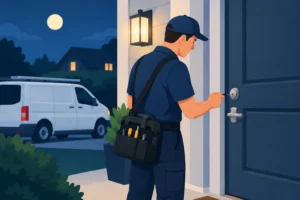
If you need service quickly, mobile locksmith support is especially useful. For urgent situations in Broward County and nearby South Florida areas, fast on-site service can restore access control without turning a stressful day into a drawn-out project. Companies like General Locksmith also help customers compare practical options on the spot, which matters when the issue is both immediate and security-sensitive.
If you are calling after hours, ask upfront whether there are extra fees, whether the technician is licensed and insured, and whether the recommendation is based on the lock’s condition instead of a blanket upsell. Good locksmith service should feel straightforward, not pressured.
The right choice depends on the lock and the risk
If your locks work well and your main concern is old keys floating around, rekeying is often the right move. If the hardware is damaged, outdated, or no longer gives you confidence, replacement is usually worth it.
The best decision is the one that restores control now and makes you feel secure when the door closes behind you. If you are unsure, have the lock inspected and make the choice based on condition, not guesswork.