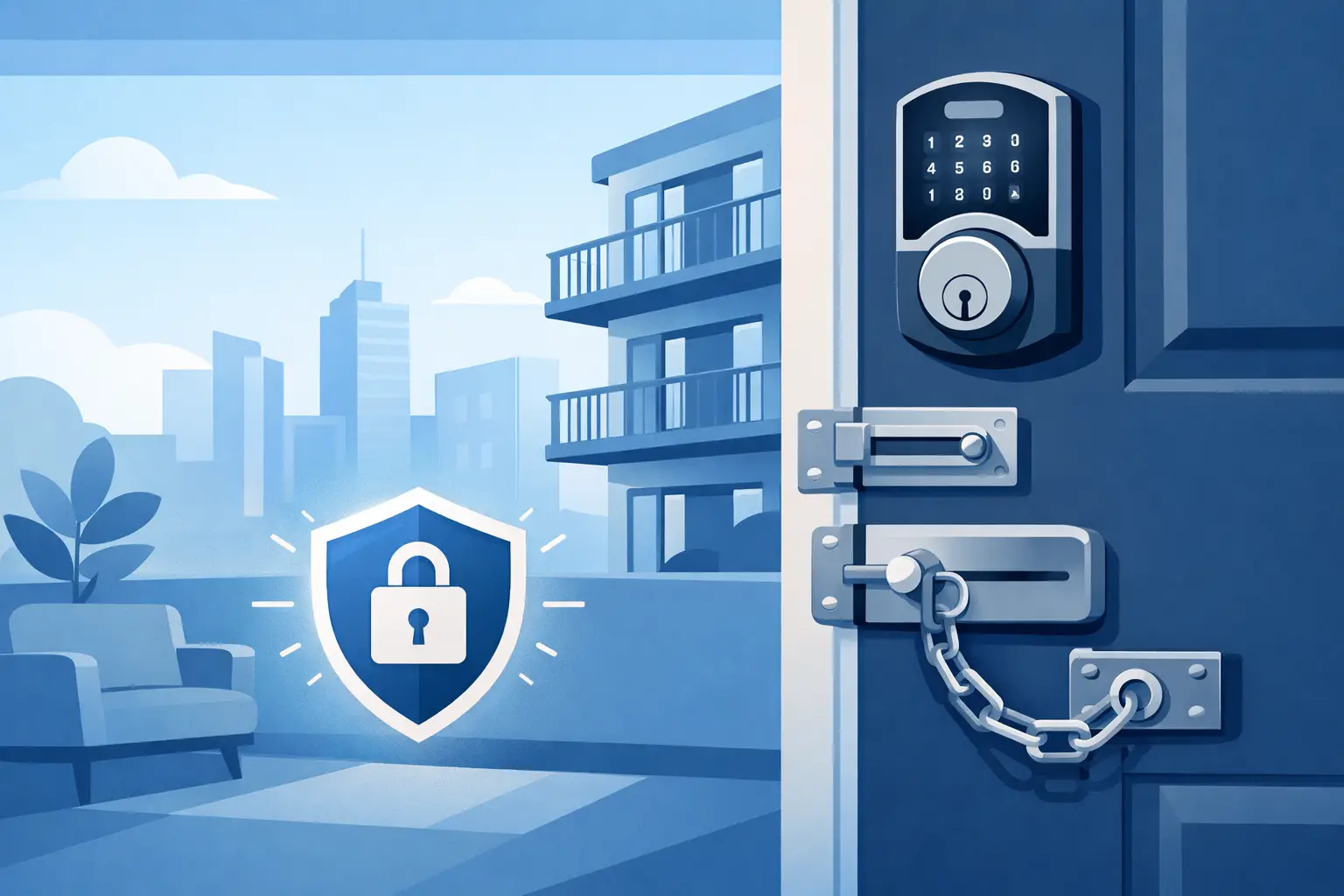

An apartment door can look secure and still have weak points: a short deadbolt throw, loose strike screws, a basic keyed knob, or a key that has passed through too many hands. The best locks for apartment doors depend on whether you rent or own, what your lease allows, and how strong the door frame is behind the hardware. A better lock helps, but it must be installed correctly and must never interfere with a safe exit during an emergency.
For renters, the first call is often not a locksmith. It is the lease. Many apartment communities require written approval before you change exterior lock hardware, rekey a cylinder, or add a smart lock. That rule protects building access, fire-code compliance, and maintenance procedures. Ask the property manager what changes are allowed, whether the original hardware must remain, and who needs a copy of the key.
What Makes an Apartment Door Lock Worth Buying
A lock is only one part of the door security system. The door itself, hinges, frame, strike plate, and installation all affect how well it resists forced entry. A premium cylinder installed in a weak door frame will not deliver the protection most people expect.
For a primary apartment entry door, look for a deadbolt with a one-inch bolt throw and a solid metal strike plate. The strike should be secured with long screws that reach the wall framing, not only the thin trim around the door. A Grade 1 deadbolt offers the strongest residential durability rating, while Grade 2 hardware is often a practical choice for many apartments. Grade 3 locks are better suited to low-risk interior doors than a main entry door.
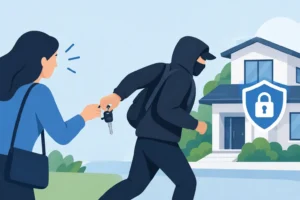
Key control also matters. If you have lived in the unit through a turnover, had contractors in and out, or cannot account for every copy, rekeying should come before adding accessories. A lock that works perfectly does not help much if an unknown person still has a valid key.
Best Locks for Apartment Doors by Need
A quality single-cylinder deadbolt
For most apartment doors, a quality single-cylinder deadbolt is the best starting point. It locks from the outside with a key and from the inside with a thumbturn. Because it opens without a key from the interior, it supports quick emergency exit. This is usually the simplest, most reliable upgrade when the door already has the correct bore holes.
Choose a model from a proven lock manufacturer and have the door alignment checked during installation. A deadbolt that drags against the strike plate is harder to lock, wears out sooner, and may lead residents to leave the door unsecured when they are in a hurry.
A double-cylinder deadbolt uses a key on both sides. Some residents consider it for doors with nearby glass, but it can create a serious egress concern because a key is needed to exit. Many properties restrict or prohibit them. Do not install one unless your building rules and local life-safety requirements clearly allow it.
High-security deadbolts for better key control
A high-security deadbolt is a strong option for residents who want more resistance to picking, drilling, bumping, and unauthorized key duplication. Systems from brands such as Medeco, Mul-T-Lock, and Primus are designed around higher-security cylinders and restricted keyways. They can be especially useful for ground-floor units, private-entry apartments, units with valuable equipment, or residents who need tighter control over who can copy a key.
The trade-off is cost. High-security locks and restricted keys typically cost more than standard hardware, and additional keys may need to be obtained through an authorized source. That added control is exactly the point, but it should fit the level of risk and the property manager’s requirements.
Smart locks for convenience and controlled access
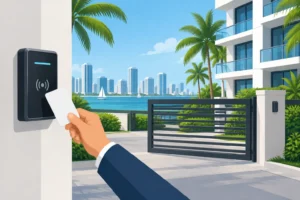
Smart locks can work well on apartment doors when the building allows them. They let you use a keypad code, phone app, fingerprint reader, or temporary access code instead of relying only on physical keys. For roommates, dog walkers, cleaners, and visiting family, temporary codes can be more convenient than handing out copies of a key.
Before choosing a smart lock, check whether it replaces the entire exterior deadbolt or fits over the existing interior thumbturn. A retrofit model may be easier to remove when you move out and may leave the exterior appearance unchanged. Also consider battery alerts, manual key backup, and whether the lock continues to operate during a Wi-Fi outage. Many smart locks do, but features such as remote control may not.
Smart access is not automatically better security. Use a unique app password, enable two-factor authentication when available, remove old user codes promptly, and do not share a permanent code with people who only need occasional access. If the physical deadbolt or strike plate is weak, the technology does not solve that problem.
Keypad deadbolts without app dependence
A keypad deadbolt is a good middle ground for people who want code access without connecting a lock to an app or home network. It can reduce lockouts caused by forgotten keys and makes it easy to change access after a roommate moves out. This is particularly practical for small apartment households that want convenience without managing smart-home settings.
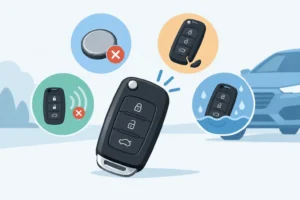
Look for a keypad with a mechanical key override and a clear low-battery warning. Keep the backup key in a safe place away from the apartment door. A key hidden under a mat, above a door frame, or in an obvious outdoor spot is not a reliable backup plan.
Do Not Ignore the Door Frame and Strike Plate
A deadbolt is only as strong as the hardware receiving it. Many forced entries happen when the strike area splits or pulls away from the frame, not because the lock cylinder fails. Upgrading the strike plate and reinforcing the frame can make a meaningful difference, particularly on older apartment doors.
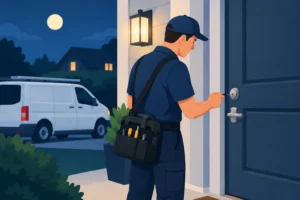
A professional locksmith can assess whether the bolt enters the strike fully, whether the door is sagging, and whether the existing screws reach solid framing. This is also the right time to inspect loose hinges, a bent latch, a damaged door viewer, or a door that does not close cleanly. Security upgrades should not require you to lift, push, or slam the door every time you lock it.
If your apartment door opens outward, hinge security deserves extra attention. Exterior hinge pins can be vulnerable unless the door has non-removable pins or security studs. If the door opens inward, focus on the strike side, door frame, and deadbolt alignment.
Renters: Get Approval Before Replacing Hardware
Even a good lock choice can become a problem if it violates your lease. Some communities use a master-key system, electronic credential system, or specific keyway for emergency and maintenance access. Replacing that hardware without approval can lead to reinstallation costs or delayed assistance if you are locked out.
A practical approach is to request a rekey after moving in, then ask whether the property will approve a deadbolt upgrade, keypad lock, or smart-lock retrofit. Keep the original hardware if the manager asks you to restore it when you leave. If you are concerned about a recently lost key, a former occupant, or a damaged lock, report it right away instead of waiting for a scheduled upgrade.
When a Professional Installation Is the Safer Choice
Replacing a like-for-like deadbolt can appear simple, but door preparation and alignment make the difference between a lock that works and one that truly protects. Drilling the wrong location, using short strike screws, or forcing a lock onto a misaligned door can damage the door and reduce security.
Professional installation is especially worthwhile when you are upgrading to high-security hardware, working with a metal door, dealing with an existing master-key system, or adding a smart lock that must meet property rules. A licensed, insured, and bonded locksmith can rekey compatible hardware, install the lock correctly, and make sure the door latches and deadbolts smoothly.
For apartment residents and property managers in Broward County, Miami-Dade, or Palm Beach County, General Locksmith can assess the existing door hardware and recommend an option that fits the property and the access needs of the people living there. For an urgent lock issue, rekey, or security upgrade, call 954-243-1381. Help is available 24/7, including weekends and holidays.
The right apartment lock should give you confidence every time the door closes, without creating problems for your lease, your daily routine, or your ability to get out safely when it matters most.