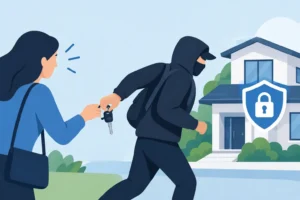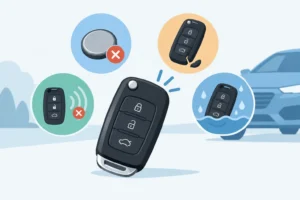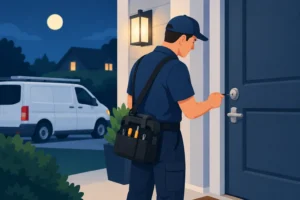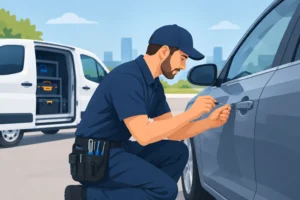
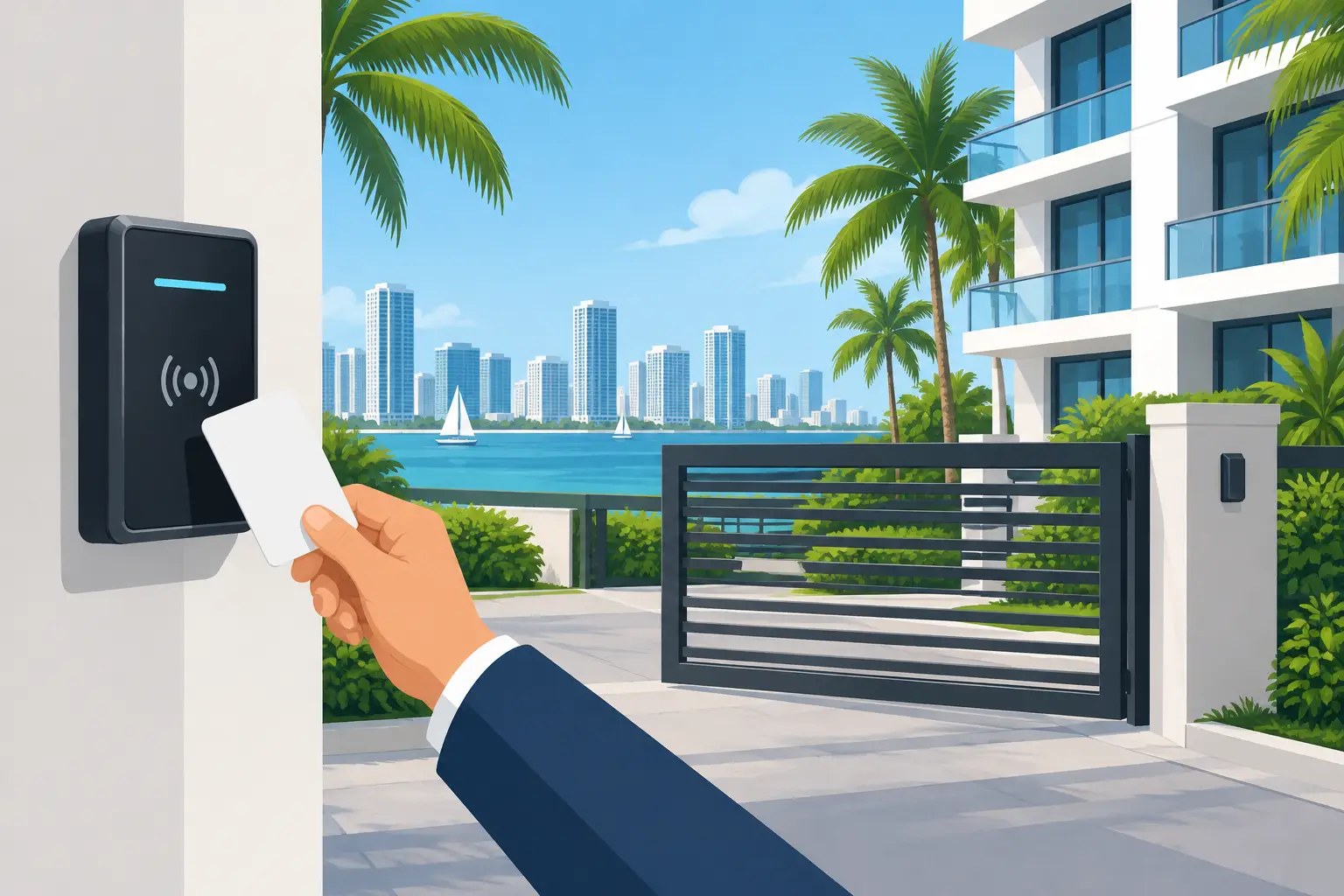

A lost key, a former employee who still has a copy, or a side door that never gets checked can create a security problem long before anyone notices it. Access control gives you a clear way to decide who can enter your property, which doors they can use, and when access should end. For homeowners, that may mean replacing a basic lock with a keypad. For a business, it may mean limiting access to offices, inventory rooms, or equipment areas.
The right system is not always the most expensive one. It is the one that fits how your household or business actually operates, closes the gaps you are worried about, and remains manageable after installation.
What Access Control Actually Does
Traditional locks work well when the number of keyholders is small and controlled. The problem starts when keys are copied, misplaced, loaned out, or never returned. Rekeying can restore control, but it requires a service call each time a keyholder changes.
Access control systems replace or support physical keys with a method that is easier to manage. Depending on the setup, a person may enter with a code, key card, fob, mobile credential, biometric scan, or a traditional high-security key. Some systems also record entry activity, so a property manager can see whether a door was opened at a specific time.
That does not mean every door needs an electronic lock. A front entry, storage room, gate, and interior office all have different risks. Good security starts by matching the level of control to the door and the people who use it.
Common Access Options
Keypad locks are often a practical choice for homes, rental properties, and small offices. You can issue different codes to family members, staff, cleaners, dog walkers, or short-term guests, then remove a code when it is no longer needed. They are convenient, but codes should be changed regularly and should not be obvious numbers such as an address or birthday.
Key fob and card systems work well when multiple employees need regular access. They make it easier to deactivate one credential without collecting and reissuing every key. These systems are especially useful for offices, warehouses, retail back rooms, and multifamily common areas.
Mobile access lets approved users open a door with a smartphone. It can be useful for businesses with changing schedules or property managers who need to grant access remotely. The trade-off is that it depends on proper account management, phone security, and a plan for dead batteries or connectivity issues.
Mechanical high-security keys remain a strong option for locations that want tighter key control without electronic hardware. Restricted keyways and high-security cylinders can make unauthorized duplication more difficult. For many properties, a combination of electronic access at key entry points and high-security mechanical locks elsewhere is the most sensible approach.
Start With the Doors That Matter Most
You do not have to upgrade every opening at once. Begin with the doors where unauthorized entry would cause the biggest disruption or loss. At a home, that may be the front door, garage entry, or a gate leading to the backyard. At a business, it is often the main employee entrance, cash office, server room, stockroom, or rear delivery door.
Think about who needs access and why. A family member may need unrestricted entry. A contractor may only need access during a narrow work window. An employee may need the front entrance but not the office where records, cash, or sensitive equipment are kept. Access should follow the job or purpose, not simply personal convenience.
For commercial properties, it also helps to consider the full path into the building. A controlled front door does little good if a rear exit has a weak lock, a damaged frame, or a door that does not latch properly. Access control hardware is only one part of the opening. The door, frame, strike plate, hinges, closer, and latch all need to work together.
Residential Situations That Call for Better Control
Homeowners often consider access upgrades after a move, breakup, tenant turnover, lost key, or attempted break-in. Rekeying is usually the first smart step after moving into a property because you cannot know how many old keys are still in circulation. From there, a keypad deadbolt can make daily access easier without leaving a spare key under a mat or planter.
A smart lock may be helpful if you regularly let in guests or service providers, but choose one that still has a dependable manual key override and quality deadbolt hardware. Convenience is valuable, yet a weak door frame or low-grade lock can undermine the whole setup. A professional locksmith can evaluate the complete entry point, not just the lock on the door.
Commercial Situations That Need a Clear Policy
Businesses tend to face a different problem: access changes frequently. Employees are hired, schedules change, vendors come and go, and managers may need after-hours entry. If physical keys are passed around without records, it becomes difficult to know who can get in.
A basic access policy can prevent that confusion. Decide who approves credentials, where access records are kept, when credentials are removed, and what happens after a lost fob, terminated employee, or security incident. The technology helps, but the policy is what keeps it useful.
For a small business, even a simple system with separate credentials for managers and staff can be a major improvement. For larger operations, scheduling permissions and entry logs may be worth the added cost. The right choice depends on the number of users, the sensitivity of the area, and how often access changes.
Do Not Overlook Emergency Access and Life Safety
Controlled entry should never trap people inside. Exit doors must allow safe egress, and commercial properties may have fire code, occupancy, and Americans with Disabilities Act requirements that affect the hardware you can use. This is one reason commercial access control should be planned carefully rather than installed as a quick do-it-yourself project.
You also need a backup plan. What happens during a power outage? Who has emergency access if an electronic lock fails? Can a manager enter if the administrator’s phone is unavailable? Battery-powered locks, mechanical key overrides, and properly maintained hardware can prevent a security upgrade from becoming an after-hours lockout.
In South Florida, outdoor hardware deserves extra attention. Humidity, rain, salt air near the coast, and frequent use can affect locks, readers, gates, and door closers. Products designed for the environment and installed correctly will generally hold up better than a low-cost device chosen only for its app features.
Signs It Is Time to Call a Locksmith
Some problems need attention now rather than later. Call for professional help if a key was stolen, an employee or tenant left without returning credentials, a lock is sticking, a door no longer latches correctly, or you have had an attempted break-in. These issues can often be addressed with rekeying, repair, upgraded hardware, or a better access plan.
It is also worth calling when your property has grown beyond informal key sharing. If you cannot confidently say who has keys, codes, or fobs, you no longer have real control over access. A licensed, insured, and bonded locksmith can assess the openings, recommend practical options, and install hardware that fits the property rather than forcing a one-size-fits-all solution.
General Locksmith provides mobile residential and commercial locksmith support across Broward County and nearby South Florida communities. For urgent lock concerns, rekeying, high-security locks, or professional access control guidance, call 954-243-1381. Help is available 24/7, including weekends and holidays.
The best time to improve access is before a lost key, staff change, or damaged lock turns into an emergency. Start with the door you trust least, make a clear plan for who should enter, and give yourself a reliable way to change access when circumstances do.