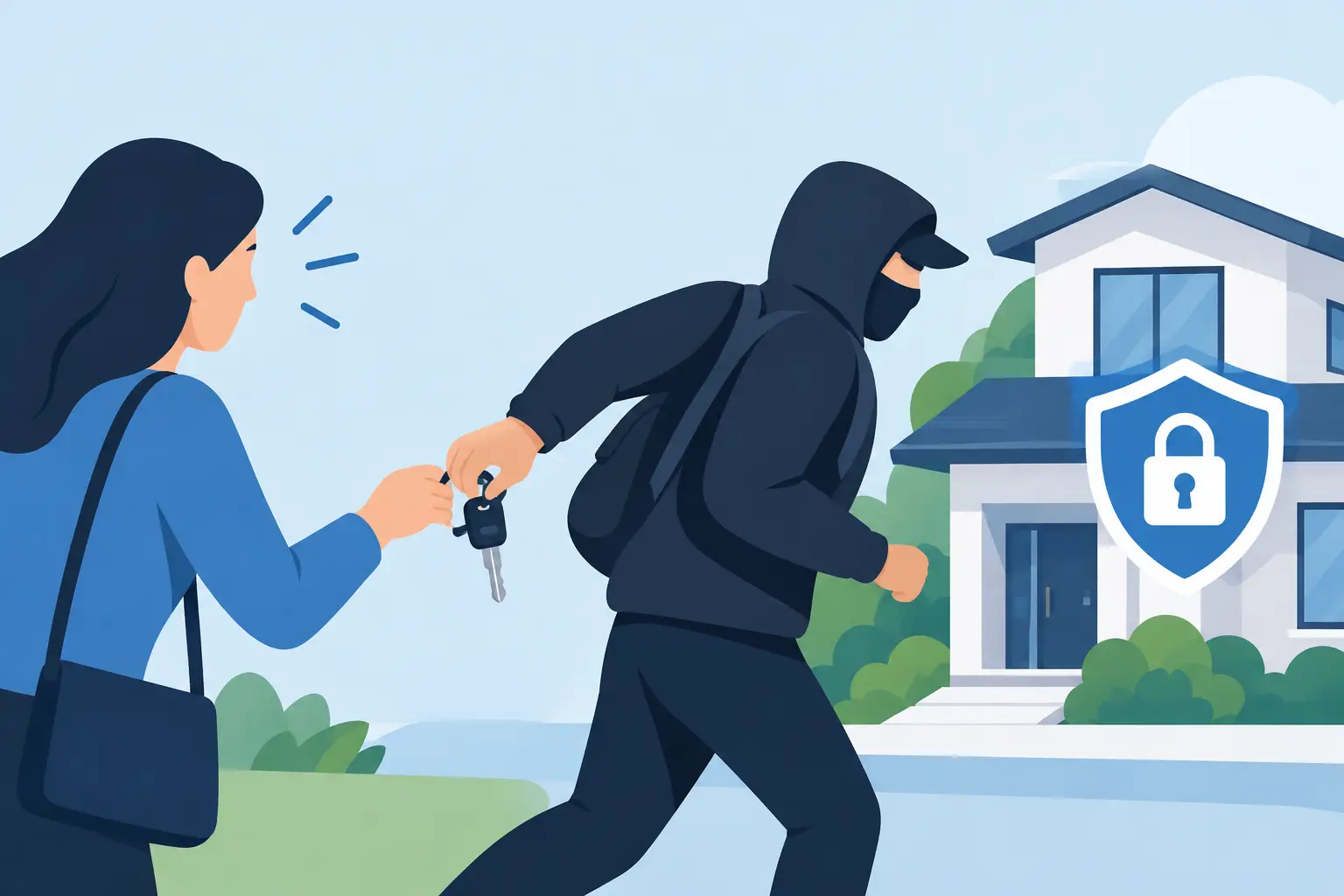

A stolen key response is not just about replacing a missing key. It is about deciding whether someone can use that key to reach your home, business, vehicle, or private records. If the key was taken with identifying information, stolen from your car, or lost during a break-in, treat it as a security issue and act quickly.
The right response depends on what was stolen, what it opens, and whether the person who has it can connect the key to you. A house key that falls out of an unmarked pocket creates a different risk than a ring containing keys, a driver’s license, office access fob, and mailbox key. When there is any doubt, secure the property first and sort out replacement keys second.
What to Do in the First Hour After Keys Are Stolen
Start by putting distance between the stolen key and the places it can access. Do not wait to see whether the keys turn up if you suspect theft, especially if your wallet, vehicle registration, work badge, or mail was also taken.
Take these immediate steps:
- Move your vehicle to a secure location if the stolen ring included car keys or a garage remote.
- Call police if the theft occurred during a break-in, car burglary, robbery, or suspicious encounter. Keep the report number for insurance or property management.
- Contact your property manager, employer, or building security if the keys open a shared entrance, office, storage room, or restricted area.
- Check for secondary access points, including garage doors, patio doors, side gates, and smart locks with physical key overrides.
- Arrange for a licensed locksmith to rekey or replace affected locks as soon as possible.
If you believe someone may know where you live, avoid returning to an empty home alone if possible. Ask a trusted person to meet you there, and contact a locksmith before settling in for the night.
Stolen Key Response for Homes and Apartments
For most homes, rekeying is the fastest and most cost-effective answer. A locksmith changes the internal pins in your existing lock so the stolen key no longer works. You receive new keys, but you do not have to replace a functioning lockset simply because the key is gone.
Rekeying makes sense when the lock is in good condition and you want to keep the same hardware. It is especially useful after a purse theft, a lost key ring, a former tenant failing to return keys, or a contractor having temporary access. If several exterior doors use different keys, a locksmith may also be able to key them alike, reducing the number of new keys you need to carry.
Lock replacement may be the better choice when the hardware is damaged, outdated, low quality, or easily bypassed. It is also worth considering if a thief forced entry or if you have been meaning to improve security at a vulnerable door. A solid deadbolt, reinforced strike plate, and properly secured door frame often matter as much as the lock itself.
Apartment residents should notify management promptly. Your lease may require it, and a stolen building key could affect other residents. Ask whether your unit lock can be rekeyed immediately and whether building entrances, package rooms, or parking gates need separate action.
Do not forget mail, garage, and side access
A stolen front-door key may not be the only concern. Mailbox keys can expose financial information and account notices. Garage remotes can provide another way into the home. Gate keys, pool fobs, storage keys, and alarm codes should be reviewed at the same time.
If a garage remote was stolen from your vehicle, erase it from the opener’s memory and reprogram the remotes you still have. For a smart lock, remove old user codes and check app access permissions. Technology can help, but it should not replace the physical security changes needed after a stolen key.
Protecting a Business After Keys Are Taken
A stolen key can create a larger problem for a business because one key may open multiple doors, cabinets, supply rooms, or restricted areas. The cost of waiting can be far higher than the cost of rekeying, particularly when inventory, customer data, tools, medications, cash, or sensitive files are involved.
Notify the person responsible for security and identify every door or lock the missing key may open. This is critical in offices, retail locations, warehouses, restaurants, and multi-tenant buildings. If the key belonged to an employee, contractor, former manager, or vendor, review whether they also had alarm codes, access cards, keypad codes, or access to a master key system.
Rekeying selected cylinders can restore control quickly without replacing all commercial hardware. However, businesses using master key systems need a careful plan. Changing one lock without considering the system may disrupt access for managers or maintenance staff. An experienced locksmith can assess the hierarchy and recommend whether to rekey individual doors, rebuild the master system, or move high-risk areas to restricted keyways.
High-security locks from brands such as Medeco, Mul-T-Lock, and Primus can be a smart long-term option for businesses with repeated key-control concerns. Their restricted key systems help limit unauthorized duplication, though they still require disciplined key tracking. No lock can fix a process where keys are handed out without records.
What Changes When Car Keys Are Stolen?
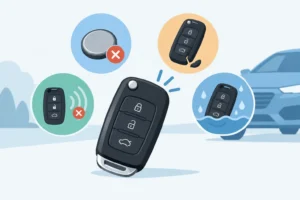
Vehicle keys require a different approach. A basic metal key may only need replacement, but most modern vehicles use transponder chips, remote fobs, push-button start systems, or proximity keys. Replacing the physical key alone may not stop a stolen electronic key from starting the vehicle.
Ask an automotive locksmith whether the lost or stolen key can be erased from the vehicle’s computer. In many cases, remaining keys can be reprogrammed and the missing key removed from authorized memory. This is particularly important when the key was stolen with your registration, insurance card, or anything showing where you live.
Some situations require replacing or rekeying the vehicle’s door locks and ignition, but that is not always necessary. The best option depends on the vehicle’s year, make, model, security system, and how much information was taken with the key. A mobile locksmith can often handle key programming on-site, saving you the trouble and expense of towing a vehicle to a dealership.
If the car itself was stolen, contact law enforcement and your insurer immediately. Do not attempt to recover it yourself, even if a tracking app shows its location.
When Rekeying Is Enough and When to Replace the Lock
The decision comes down to risk, lock condition, and control. Rekeying is usually enough when a key is missing but the lock is sound and there is no evidence of tampering. Replacing the lock is wiser when the thief damaged the door, has repeatedly targeted the property, or when the existing lock provides poor protection.
Consider an upgrade if the stolen key incident exposed a weak point in your security. For example, a standard lock on a rear door may be technically functional but still leave you concerned because the door frame is weak or the cylinder is easy to manipulate. A professional assessment can identify practical improvements without pushing unnecessary hardware.
For rental properties and commercial spaces, create a clear key-control policy after the immediate emergency is resolved. Record who receives keys, collect them when occupancy or employment ends, and rekey between tenants when appropriate. The small amount of organization saves difficult questions later.
Get Local Help Without Waiting
After a theft, speed matters, but so does trust. Be cautious of vague locksmith listings that cannot confirm licensing, insurance, pricing, or a local service area. Ask what work is recommended, whether rekeying is possible, and what the technician expects to charge before service begins.
General Locksmith provides 24/7 mobile locksmith help for homes, businesses, and vehicles across Broward County and nearby South Florida communities. Licensed, insured, and bonded technicians can respond to urgent stolen-key situations, rekey locks, replace damaged hardware, and help restore control of vehicle access.
If your keys were stolen and someone may be able to identify your property, call 954-243-1381 now. Securing the doors, access codes, and vehicle keys today can give you the peace of mind to focus on everything else tomorrow.