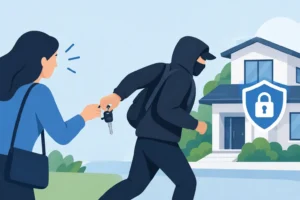

A tenant moves out on Friday, a new tenant is scheduled for Saturday, and the old keys may be in the hands of a former roommate, cleaner, contractor, or neighbor. That is why the best locks for rental properties are not simply the strongest locks on the shelf. They need to protect the unit, simplify turnover, control who has access, and hold up to daily use without creating unnecessary maintenance calls.
For most landlords and property managers, the right answer is a deadbolt-centered system with a clear rekeying plan. The details change depending on the property, tenant turnover, entry doors, local code requirements, and whether you manage one condo or a full portfolio.
What rental property locks need to do
A rental lock has a different job than the lock on an owner-occupied home. You need dependable security, but you also need efficient key control. Every turnover should give the next tenant confidence that previous keys no longer work. Every maintenance visit should be traceable. Every exterior door should lock consistently, even after years of humidity, slammed doors, and frequent use.
Start with an ANSI Grade 1 or Grade 2 deadbolt for exterior unit doors. Grade 1 is the strongest residential classification and is an excellent choice for high-traffic properties or locations where security is a major concern. Grade 2 hardware is often a practical fit for standard residential rentals when it is professionally installed and maintained. Avoid relying on a basic locking doorknob as the primary security device. Knob locks can add convenience, but a properly installed deadbolt provides the real protection.
The lock also has to fit the door and frame. A quality deadbolt on a weak strike plate or loose frame can still fail under force. Reinforced strike plates, long screws driven into the wall framing, and proper door alignment are part of a complete installation.
The best locks for rental properties by situation
1. Rekeyable deadbolts for frequent turnover
For many single-family rentals, apartments, and condos, a traditional keyed deadbolt with a quality rekeyable cylinder is the most practical option. It is familiar to tenants, works without batteries or apps, and can be rekeyed between occupants without replacing the entire lock.
This approach keeps turnover costs controlled while preventing old tenant keys from working. It is especially useful for owners with several units, provided they maintain a disciplined key record. The trade-off is that someone still needs to coordinate physical keys, meet vendors when needed, and make sure every copy is accounted for.
A rekeyable system is not the same as changing a lock. Rekeying changes the internal pin configuration so the old key no longer operates the cylinder. If the lock is worn, damaged, or low quality, replacement may still be the better long-term decision.
2. Restricted keyway locks for stronger key control
Restricted keyway systems are a smart upgrade for property managers who have had issues with unauthorized key duplication. With an ordinary house key, a tenant or vendor may be able to make copies at many retail locations. A restricted keyway limits duplication to authorized channels, making it easier to know who can request additional keys.
High-security options from manufacturers such as Medeco, Mul-T-Lock, and Primus can provide stronger key control and increased resistance to common forced-entry methods. They are well suited to luxury rentals, property management offices, units with repeated access concerns, and buildings where a master key system is necessary.
The trade-off is cost. Restricted systems require more planning and usually cost more than standard residential hardware. They work best when the property owner has a documented policy for issuing, retrieving, and authorizing keys. Without that process, even excellent hardware can be undermined by poor key management.
3. Electronic keypad deadbolts for managed access
Keypad deadbolts let tenants enter with a code rather than a physical key. They can be helpful for short-term rentals, furnished units, maintenance access, and properties where managers want to change access quickly between occupants. A code can be removed or replaced at turnover without collecting every key copy.
Choose a commercial-quality keypad deadbolt with a physical key override and a low-battery warning. The override matters when batteries fail, electronics malfunction, or a tenant forgets their code. Managers should also have a written procedure for emergency access that respects tenant rights and local notice requirements.
Keypad locks reduce key-copy concerns, but they introduce battery maintenance. Build battery replacement into your regular property inspections instead of waiting for a lockout call. Tenants should also be instructed not to share entry codes with unauthorized guests or contractors.
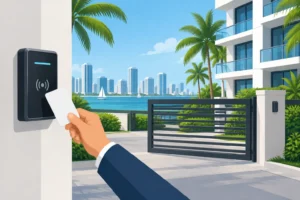
4. Smart locks for remote management
Smart locks can be among the best locks for rental properties when remote access management is a genuine operational need. Many models allow owners or managers to create temporary codes for cleaners, repair technicians, showings, and new tenants. Some systems provide access logs, so you can see when a code was used.
They are particularly useful for vacation rentals, scattered-site properties, and managers who cannot easily meet every vendor in person. For a long-term rental, however, smart features should serve the tenant experience rather than create friction. Consider whether the tenant is comfortable using an app, what happens if Wi-Fi goes down, and whether the lock will operate reliably with a physical key or keypad alone.
Do not assume every smart lock offers the same security or privacy standards. Select a reputable model, use unique administrator credentials, remove former tenants from the account immediately, and keep firmware updated when the manufacturer supports it. A smart lock should not leave a tenant stranded because a phone battery dies or an internet connection drops.
5. Mortise locks for heavy-use or commercial-style doors
Some apartment buildings, mixed-use properties, and older structures use mortise locks. These locks fit into a pocket cut into the door and can combine a latch, deadbolt, and trim in one heavy-duty assembly. When properly specified, they are durable and well suited to doors that see constant traffic.
Mortise hardware is not a simple swap for a standard deadbolt. Replacing it requires the correct measurements, compatible trim, and professional installation. If the property already has mortise locks, do not downgrade the door just to install less expensive hardware. Repairing or upgrading the existing system may protect the door, maintain the building’s appearance, and avoid new alignment problems.
6. High-security deadbolts for vulnerable entry points
A high-security deadbolt makes sense for first-floor units, homes with secluded side entrances, rentals that have experienced attempted break-ins, or properties storing valuable equipment. Look beyond the lock cylinder itself. The deadbolt should have a hardened bolt, a reinforced strike, quality door hardware, and a secure installation into solid framing.
Security is layered. Sliding glass doors may need auxiliary locks or security bars. Rear gates may need separate protection. A front-door deadbolt cannot compensate for an unsecured patio door, broken window latch, or access code that has been shared too widely.
Avoid these common rental lock mistakes
The cheapest lock is often expensive over time. Low-grade hardware wears out, keys stick, latches fail to align, and tenants lose confidence when the door does not feel secure. Installing a new lock without rekeying other exterior doors can also leave an overlooked access point vulnerable.
Another common problem is using one master key for everything without safeguards. Master-key systems are convenient, but lost keys have a wider impact. Use them only when they are designed correctly, keep an accurate key log, and know which doors each key opens.
Finally, confirm local requirements before changing egress doors, installing double-cylinder deadbolts, or modifying fire-rated doors. A double-cylinder deadbolt may seem more secure near glass, but it can create a dangerous exit issue and may violate applicable code. Safety and legal compliance come before added security features.
A practical lock plan for most landlords
For a typical long-term rental, install a quality Grade 1 or Grade 2 single-cylinder deadbolt on every exterior entry door, reinforce the strike plate, and rekey the lock at every turnover. If unauthorized key copies are a concern, move to a restricted keyway. If access coordination is the bigger problem, choose a keypad or smart deadbolt with a physical backup method.
Before selecting hardware, inspect the door itself. Check for loose hinges, a warped frame, gaps around the door, damaged weatherstripping, and a strike plate that does not align with the bolt. Fixing those details often makes a bigger security difference than upgrading the brand name on the lock.
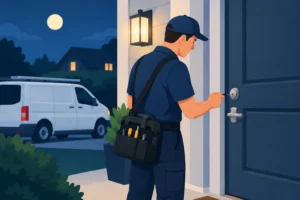
For property owners in Broward, Miami-Dade, or Palm Beach counties, General Locksmith can inspect entry doors, recommend the right lock system, rekey units, and install high-security hardware when needed. Call 954-243-1381 for 24/7 locksmith help or to schedule service.
The right rental lock should make the next turnover easier, not more complicated. Choose hardware that fits your property, document every key or code issued, and treat each move-out as the moment to reset access with confidence.