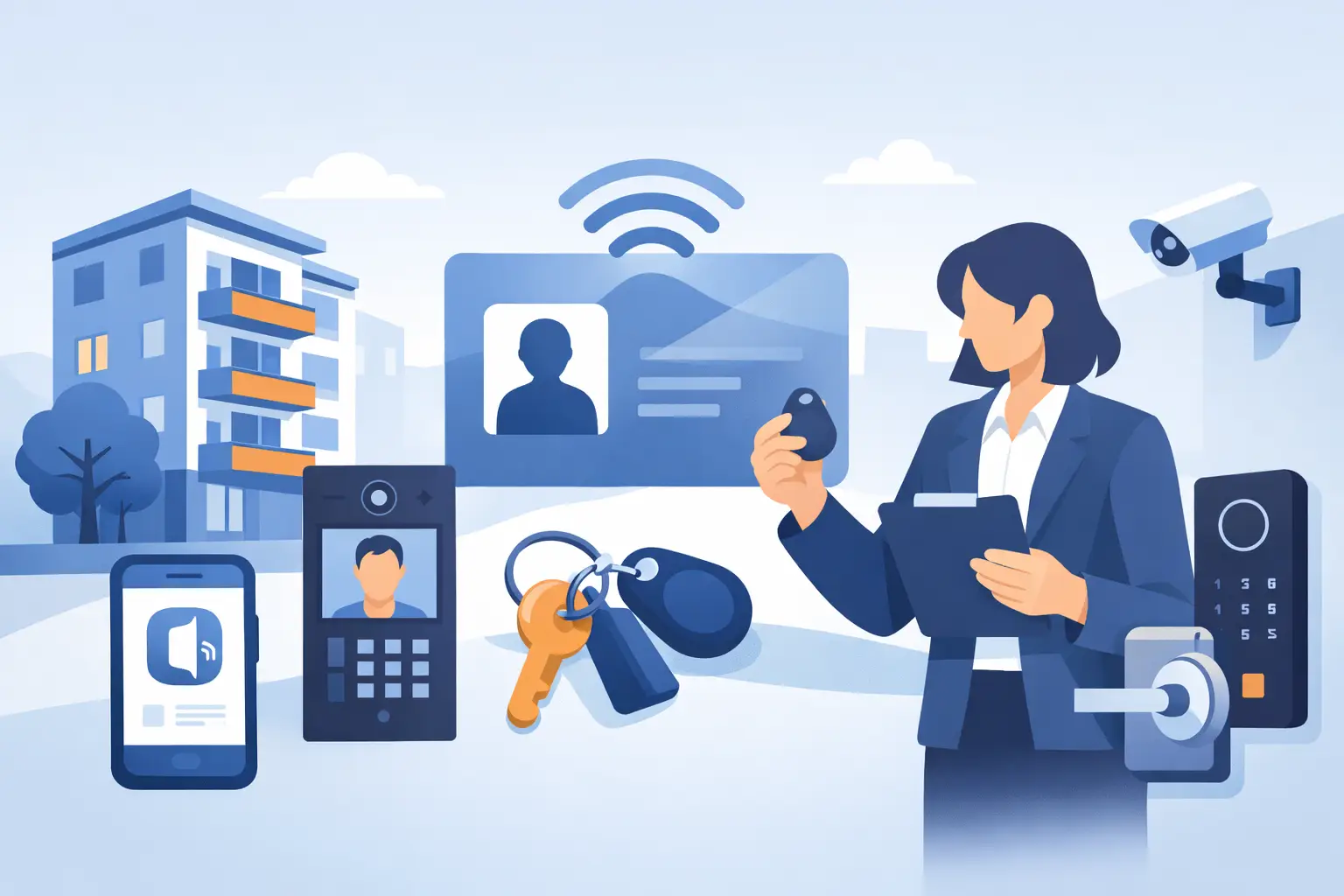

A front door that is propped open, a missing master key, or a broken gate call box can turn a routine property issue into a resident safety concern. This apartment building access control guide is designed for property managers and building owners who need practical ways to control entry, respond to problems quickly, and protect the people who trust them with their homes.
Access control is not just about keeping unwanted visitors out. It is also about giving residents, staff, vendors, emergency responders, and approved guests the right level of access without creating confusion or unnecessary delays. The best system is one your team can manage consistently, even during turnover, after hours, and in an emergency.
Start With the Building’s Real Access Risks
Before choosing locks, fobs, cameras, or keypads, walk the property as someone looking for an easy way in. Start at the perimeter, then move toward the building entrance, common spaces, utility rooms, offices, and individual apartments. Pay attention to side doors, pool gates, rear exits, package rooms, parking areas, and doors that are often used by maintenance staff.
A multi-family property rarely has one single access problem. A small building may need stronger mechanical locks and a better key-control process. A larger community may need managed credentials for several entrances, elevators, amenity areas, and parking gates. Older properties may have doors, frames, closers, or strike plates that need repair before any new access system will work as intended.
Ask a few direct questions: Who needs access? When do they need it? What happens when a resident moves out, an employee leaves, or a key goes missing? If management cannot answer quickly, the building has a control gap that needs attention.
Choose the Right Apartment Building Access Control System
There is no single system that fits every property. Your decision should account for the building layout, resident expectations, budget, maintenance capacity, and local life-safety requirements.
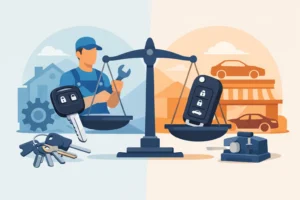
Traditional mechanical keys remain common because they are familiar and cost-effective. They can work well for smaller properties, especially when paired with restricted or high-security keyways. The trade-off is accountability. A copied key can remain in circulation long after a tenant or contractor should no longer have access.
Electronic keypad locks replace physical keys with PIN codes. They are useful for gates, storage rooms, maintenance areas, and some common doors. Codes can be changed after staff turnover or a security incident, but shared codes create a weak point. If everyone knows the same number, you cannot identify who entered or revoke access for just one person.
Key fobs and proximity cards offer better control for buildings with frequent resident turnover. Management can issue individual credentials, deactivate lost fobs, and assign access only to approved doors. For example, a resident may be allowed through the lobby and garage but not into a locked maintenance room.
Mobile credentials let residents use a smartphone to enter approved doors. They can be convenient for higher-end communities, particularly where residents expect app-based services. Still, managers should have a backup plan for dead phone batteries, lost devices, technology outages, and residents who prefer physical credentials.
For some properties, a hybrid approach is the most practical choice. High-security mechanical locks may protect sensitive rooms and apartment units, while electronic access controls the main entry, pool gate, package room, and shared amenities.
Protect the Doors, Not Just the Credentials
An access credential is only as effective as the door hardware behind it. A quality lock cannot compensate for a loose strike plate, warped door, damaged frame, or malfunctioning closer. These are common issues in South Florida properties, where humidity, heavy rain, salt air near the coast, and constant use can affect exterior hardware.
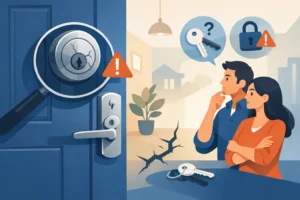
Inspect exterior doors for gaps, weak hinges, poor alignment, and hardware that does not latch completely. Doors that fail to close and latch are especially risky because residents may assume the building is secured when it is not. A properly adjusted door closer, reinforced strike plate, and correctly installed lock are basic but critical protections.
Emergency exits require special attention. They must allow safe exit at all times and should never be blocked, chained, or altered in a way that creates a fire or life-safety hazard. Any access-control installation should be planned with applicable building and fire requirements in mind.
Build a Clear Key and Credential Policy
Most access problems are process problems. A building can invest in excellent locks and still lose control if keys, fobs, codes, and master credentials are handed out without records.
Create a written policy that identifies who can approve credentials, how each item is documented, and when it must be returned or deactivated. Keep a record of the credential number, recipient, access level, issue date, and return date. This applies to staff, contractors, cleaning crews, real estate agents, and temporary workers, not only residents.
Master keys deserve stricter handling. Limit them to essential personnel, store spare masters in a secured location, and never leave them in an office drawer, maintenance cart, or lockbox that many people can access. If a master key is lost, assume the risk is real and speak with a qualified locksmith about rekeying, changing cylinders, or upgrading the key system.
During resident turnover, collect keys and fobs promptly. Deactivate electronic credentials the same day whenever possible. For traditional keyed apartment doors, rekeying between tenants is a sensible way to ensure a former resident does not retain access.
Plan for Visitors, Deliveries, and Vendors
Residents want convenient guest access, but convenience should not mean leaving doors open or giving out permanent entry codes. Use an intercom, call box, video entry system, or managed guest credential process that allows residents to approve visitors directly.
For deliveries, designate a controlled drop-off area when the property layout allows it. Package rooms should have reliable locks and a clear access policy. A delivery driver should not receive a master key, unrestricted fob, or a universal code that remains active indefinitely.
Vendors need access too, especially for landscaping, pest control, pool service, repairs, and emergency maintenance. Give them the narrowest access needed for the shortest reasonable time. A vendor who only services the pool should not have credentials for residential floors or office areas.
Prepare for Lockouts and After-Hours Problems
Access control plans are tested when something goes wrong. A resident may be locked out at midnight, a gate may stop working during a storm, or an employee may discover a damaged lock before the morning shift. Property managers need a clear after-hours response plan before these events occur.
Keep current contact information for authorized decision-makers and define who can approve emergency entry. Train staff not to rely on verbal claims of residency alone. Verification procedures protect residents and prevent unauthorized entry attempts.
A dependable locksmith partner can help with emergency lockouts, broken locks, rekeying after lost keys, damaged door hardware, and security upgrades. General Locksmith provides 24/7 mobile locksmith support for apartment communities and property managers across Broward County and surrounding South Florida areas. Call 954-243-1381 when an urgent lock or access issue needs professional attention.
Review and Maintain the System Regularly
Access control is not a one-time installation. Review it after a break-in attempt, staffing change, major resident turnover period, renovation, or repeated complaints about a specific door or gate. Small warning signs, such as a door that does not latch or a shared code known by too many people, should be corrected before they become larger security issues.
Schedule regular inspections of locks, closers, hinges, strike plates, gates, intercoms, and electronic readers. Test backup power or manual entry procedures for electronically controlled doors. If a system depends on a property manager being available to solve every issue, it is not prepared for real after-hours conditions.
A well-run access system should feel simple to residents and controlled to management. Start with the doors that matter most, document every credential, and address damaged hardware quickly. When you need fast, reliable locksmith service or help planning a security upgrade, call 954-243-1381. Help is available 24/7.